Tell us about the job
Takes about a minute. No obligation.
On a repair call, a contractor looks at the reversing valve early. It cycles every time the system switches between heating and cooling, and a heat pump in this county spends most of its working life on the heating side of that cycle, where outdoor temperatures pull capacity down and the system runs longer to hold setpoint. Homes in Logan County, AR run heat about seven months a year, from October through April. Compressors under that kind of sustained low-temperature load show wear differently than those in a short or mild season: the refrigerant circuit tightens, the valve seat degrades, and defrost cycles that run hard all winter leave their mark on contactor points. A contractor who skips that history quotes the wrong repair.
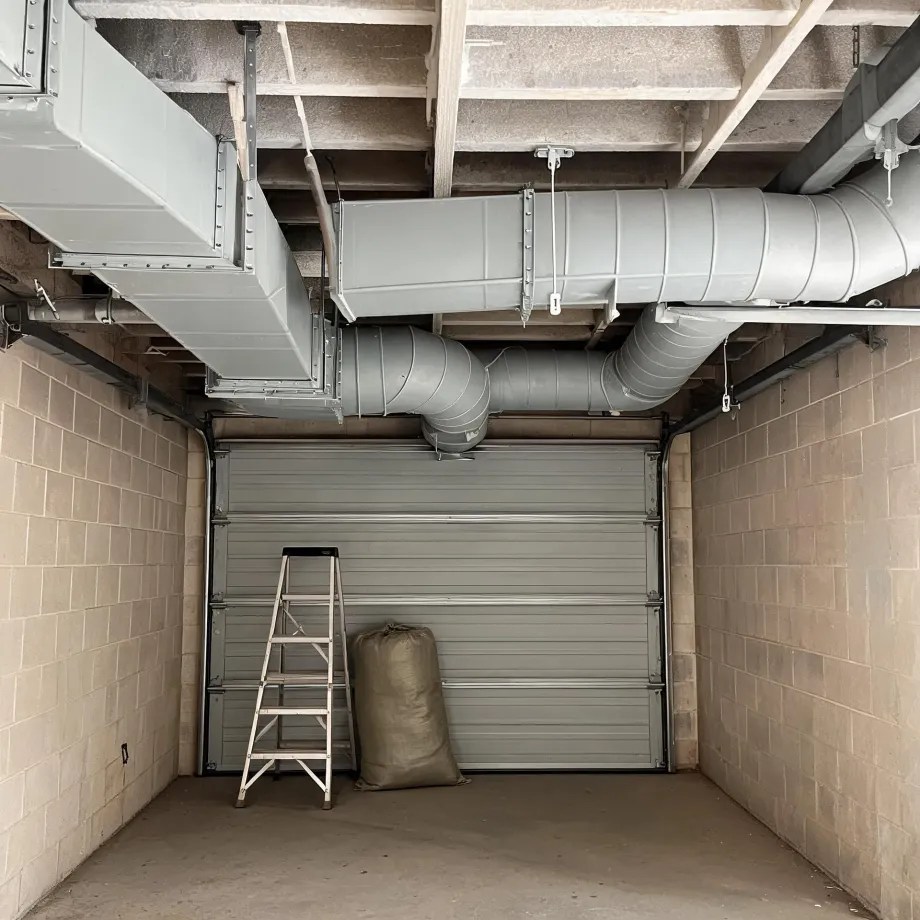
Much of the housing here was wired and plumbed for heat sources that no longer exist, and when a system fails, what a contractor finds inside the unit reflects that layered history. Half the homes in Logan County, Arkansas were built in 1979 or earlier (2020-2024 ACS 5-year). Refrigerant lines may have been rerouted, electrical runs extended, and mounting configurations improvised when older equipment was swapped out over the decades. A repair call that looks straightforward from the outside can open into a system whose connections trace back through multiple equipment generations, and the part a contractor pulls out to replace may not match what the original install called for at all.
The Parts of a Heat Pump a Contractor Checks First
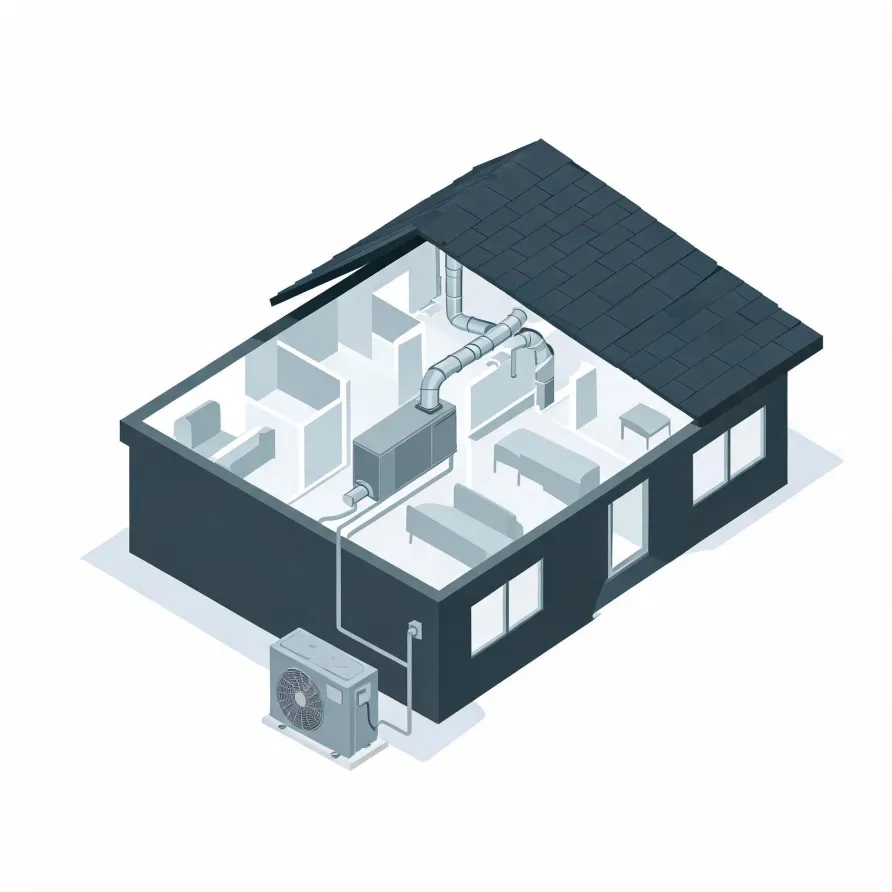
The outdoor unit sits on a pad beside the house and holds the compressor and the outdoor coil. The compressor is the heart of the system, and when it labors or fails, the whole system loses the ability to move heat. The outdoor coil is where a contractor looks when airflow or refrigerant issues are suspected.
Inside the house, the air handler holds the indoor coil and the blower fan. The indoor coil can develop refrigerant leaks or freeze over, and the blower fan can wear bearings or lose its motor. The refrigerant lines connect the two units and carry the charge that makes either coil do its job.
The drawing shows the general layout of a heat pump system, and a licensed contractor determines what applies to your specific house and equipment.
Find a contractor in Logan CountyLogan County, Arkansas, by the numbers
94 severe weather events were recorded in Logan County, Arkansas between 2015 and 2024.
NOAA National Centers for Environmental Information, Storm Events Database, bulk CSV export, events 2015-01-01 through 2024-12-31.Half the homes in Logan County, Arkansas were built in 1979 or earlier (2020-2024 ACS 5-year).
U.S. Census Bureau, 2020-2024 American Community Survey 5-Year EstimatesLogan County, Arkansas holds 9,759 housing units (2020-2024 ACS 5-year).
U.S. Census Bureau, 2020-2024 American Community Survey 5-Year EstimatesOwners occupy 78.4% of the occupied homes in Logan County, Arkansas (2020-2024 ACS 5-year).
U.S. Census Bureau, 2020-2024 American Community Survey 5-Year EstimatesRules & Standards Behind Heat Pump Repair in Logan County, Arkansas2 sourced rules & standards
Licensing and Legal Requirements in Logan County, Arkansas
An Arkansas HVACR licence is good across the state: no city or county may require its own licence to do HVACR work, though local permits and inspections still apply.
Arkansas requires an HVACR licence or registration: it is unlawful to do HVACR work without the appropriate one unless the chapter exempts you.
Severe Weather Events in Logan County
Extreme weather puts heat pumps under sustained stress, and equipment that works hardest in the worst conditions is equipment that develops faults. How much of that load a system carries depends on what the local climate actually delivers.
94 severe weather events, 2015–2024. Source: NOAA National Centers for Environmental Information, Storm Events Database.