


Ozark Heat Pump

Why your heat pump makes noise in an Arkansas winter

Step 1 of 3: Equipment

Why does my heat pump make so much noise in winter?

Cold mornings in Arkansas bring a heat pump that suddenly sounds different, louder, maybe a clanking or a hiss that wasn't there in the fall. Since most homes here run on electric heat, that noise is the only warning sign you get before a bigger problem shows up on the thermostat or the power bill.

It's likely running a defrost cycle, but a grinding or banging sound means something else is wrong

A heat pump switches to defrost mode when ice builds up on the outdoor coil, which happens often during Arkansas winters when temperatures hover near freezing with some humidity in the air. You'll hear a whoosh or hiss as the system reverses and a fan slow down or stop. That part is normal. A grinding, banging, or rattling sound is not. That usually points to a failing fan motor, a loose panel, or ice that's built up somewhere it shouldn't have. Since your home likely depends on this system for heat all winter, a noise that's new or getting worse is worth having a contractor look at before it leaves you without heat on a cold night.

A gray outdoor heat pump unit on a concrete pad beside a house with gray horizontal siding, with conduit and an electrical box on the wall and a shrub at left.

The defrost cycle switching over

A heat pump has to defrost itself when the outdoor coil frosts up, which happens on cold, damp Arkansas mornings. A reversing valve shifts the system into cooling mode for a few minutes to melt the ice, then switches back. That shift is what makes the whoosh or clunk you hear. It is normal, and it should stop once the cycle finishes and the unit goes back to heating.

An outdoor air-source heat pump unit with a dark grille stands on a concrete pad beside a white wall and wood-clad facade, surrounded by gravel.

What a new sound usually means

A steady clank points to a loose panel or a part working loose inside the outdoor unit. A high-pitched squeal usually means a motor bearing is wearing out. A hiss that stays on well past the defrost cycle can mean refrigerant is leaking, which lowers how much heat the system can put out and raises the electric bill. None of these fix themselves, and running the unit with a failing part can turn a small repair into a bigger one.

Is this normal or is something wrong

You're probably hearing it most on the coldest mornings, right around when the system kicks into defrost. A hiss or a whoosh as the valve switches over is normal. What's not normal is a bang or a clank at startup, a grinding sound from the outdoor unit, or a noise that keeps going well past when the defrost cycle should have ended. Since your home likely heats with electric power through this unit, a heat pump that's struggling runs longer to make up the difference, and that shows up on your bill before you ever see a repair bill. Left alone, a loose or worn part tends to wear down something bigger around it.

A gray outdoor condenser unit on a concrete pad beside a light-colored lap-sided house, with a wall-mounted disconnect box, refrigerant lines, mulch bed and shrubs, and a concrete walkway in the foreground.

Sounds that match the picture

A heat pump in good shape sits level on its pad, lines wrapped and running clean to the disconnect box. On a cold morning it hums, clicks into defrost, hisses for a few minutes, then settles back into a steady run. Nothing about that is a surprise.


An outdoor air conditioner condenser unit with rust spots on its top grille sits on a concrete pad beside a house with light horizontal siding, with conduit lines and an electrical box on the wall and a mulch bed to the right.

Sounds that don't

Rust on the fan grille and dirt packed around the base usually mean years of winters without a look inside. That same unit is more likely to bang at startup, grind when the fan turns, or struggle to shift out of defrost at all. Age and wear show up as noise before they show up as a failure.

A gray-haired man in a dark sweater sits on a light gray sofa in a living room, looking toward a sunlit window with trees outside.
A gray-haired man in a dark blue sweater sits on a light gray sofa in a sunlit living room, looking off to the side, with a potted plant, shelving unit, and large glass doors behind him.
A bearded man with graying hair in a dark green sweater sits on a sofa in a living room, looking off to the side, with a sliding glass door and a dim kitchen doorway behind him.
A gray-haired man in a dark knit sweater sits on a light gray sofa in a living room, looking toward a sunlit window, with houseplants, a lamp, and framed art in the background.
A gray outdoor condenser unit of an air conditioner or heat pump sits on a concrete pad beside a house with horizontal lap siding, with a wall-mounted disconnect box and conduit above it, mulched beds, shrubs and grass nearby.

Done looking for a heat pump pro

The pro who reaches out is licensed in Arkansas.

Get the heat pump repair search off your mind today.

Send it today

You're not committing to anything by asking.

Normal Noise or Needs a Look

Normal noise

  • A hiss or whoosh lasting a few minutes during defrost means the reversing valve is doing its job.
  • A low hum when the outdoor unit starts up is just the compressor and fan coming on.
  • Air handler clicks as the system switches between heating and defrost are the dampers and relays doing their job.
  • A steady, even running sound once defrost ends and the system settles back into heating is normal operation.
  • Fan noise that rises and falls slightly with wind is just the outdoor fan responding to airflow, not a sign of trouble.

Needs a look

  • A bang or clank right at startup points to a loose part or a compressor mount that's worked itself free.
  • Grinding that continues past the defrost cycle usually means a fan motor bearing is wearing out.
  • A rattle that follows the unit from room to room through the ducts points to something loose inside, not the outdoor coil.
  • A screech when the system kicks on is often the indoor blower motor, not the compressor outside.
  • Any noise that gets worse morning after morning instead of staying the same is worth having a licensed technician check before it fails on the coldest night of the year.
  • A local tech who works on heat pumps all winter will know within a few minutes whether what you're hearing is the valve or something failing.
A light gray outdoor heat pump unit mounted on a concrete pad beside a house with horizontal lap siding, with refrigerant lines and conduit running to a wall-mounted electrical box, gravel and a leafy shrub nearby.

Running clean

This unit sits level on its pad, lines wrapped and the conduit running straight to the disconnect box. No rattle at startup, no grinding when the fan kicks on. Rock and shrub around it are undisturbed, which means nothing's been knocked loose or packed in with debris. A unit that looks like this usually sounds like it too.

An outdoor air conditioner condenser unit on a concrete pad beside a house with horizontal siding, with conduit, cables and an electrical box on the wall and mulch beds at either side.

Caked in grime

Dust and grime built up thick on the cabinet point to a coil that hasn't been cleaned in a while. A dirty coil makes the unit work harder to pull heat from the air, and that strain shows up as noise, a labored hum or a fan that sounds like it's fighting something. Left alone, it gets louder, not quieter.

A weathered gray outdoor condenser unit sits on a concrete pad beside a house with horizontal siding, with refrigerant lines entering the wall at left and a mulched shrub bed at right.
Before you get your heat pump repair
A gray outdoor condenser unit on a concrete pad beside a house with horizontal lap siding, with an electrical disconnect box and insulated refrigerant lines on the wall, gravel in the foreground and a planting bed at left.
After you get your heat pump repair

Before

You're listening for every bang or grind, not sure if it's safe to let the system run while you wait, turning the heat down just to quiet it.

Reach a local pro

After

A local contractor who works on heat pumps all winter has checked the valve, the fan, and the mounts, and you know the noise is gone for good.

Reach a local pro
A middle-aged woman with shoulder-length dark hair, wearing a gray cardigan over a cream top, sits in an upholstered armchair and looks toward a sunlit window, with a shelf holding framed pictures and a plant behind her.
A woman and a child wrapped together in a knitted gray blanket on a couch, with the child's head resting on her shoulder and a lit table lamp and houseplant in the background.
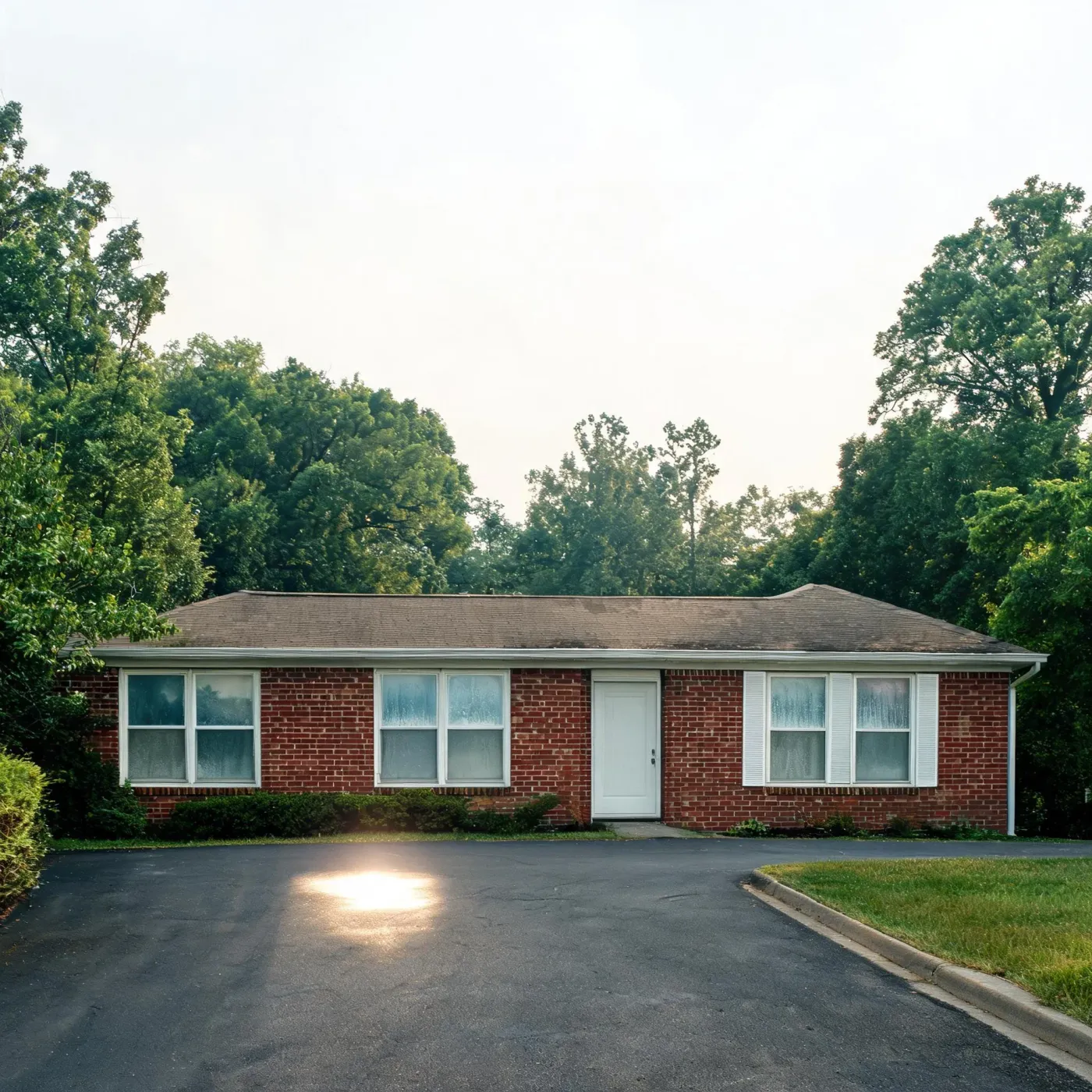
A single-story red brick ranch house with a white door, white-trimmed windows and a shingled hip roof, fronted by a wide asphalt driveway with sunlight glare, surrounded by green deciduous trees under a pale sky.

That summer dew point matters here even in winter, because it points to what your heat pump has been dealing with all year. Arkansas summers run a dew point of 68°F, according to NOAA climate data, and that thick, damp air pushes moisture deep into the outdoor coil and fan motor for months before cold weather even starts. Bearings and valves that sat in that humidity all summer are more likely to stick or squeal once the temperature drops and the system starts cycling into defrost. So the noise you're hearing on a January morning may trace back to what the unit sat through in July.

NASA POWER T2MDEW county cells weighted by homes

A gray outdoor air conditioner condenser unit on a concrete pad beside a house with horizontal lap siding and a stone veneer base, with a conduit running to a wall-mounted disconnect box and shrubs and evergreen trees to the left.
This unit sits level on its pad, lines wrapped, hissing through defrost on a cold morning without a rattle.
An outdoor air conditioning condenser unit sits on a concrete pad beside a white horizontal-siding house, with a gray electrical disconnect box and insulated refrigerant lines on the wall, mulch and green shrubs to the right, and a concrete slab in the foreground.
This one's older and weathered, and a grinding or clanking at startup means something inside has worked loose.
  1. Outdoor coil senses frost building up from cold, damp air.

  2. The reversing valve shifts the system into cooling mode.

  3. Hot refrigerant routes through the outdoor coil to melt ice.

  4. A hiss or whoosh marks the valve switching over.

Power costs 12.87 cents per kilowatt-hour statewide

Electricity runs 12.87 cents per kilowatt-hour across Arkansas, and since most homes here heat with it, your heat pump is already working to keep that bill reasonable. A grinding fan or a stuck valve makes it run longer than it should to do the same job, so a noise you let go on costs you more than peace of mind.

EIA-861 2025 statewide residential average

A hiss during defrost is your heat pump doing what it's built to do. A bang at startup or a grinding fan is not, and it won't fix itself by running less. What matters now is getting the right person on it, someone local who works on heat pumps all winter and knows whether a sound like yours is the reversing valve, a loose fan blade, or a motor on its way out. One contractor, licensed, familiar with this equipment in this kind of cold, means someone shows up already knowing what tends to fail on mornings like this one instead of guessing in front of you. You don't need to figure out which part it is before you ask for help. You just need to stop waiting on a noise that's telling you something.

Kitchen corner with cream upper cabinets, oak lower cabinets, white marble-look countertop, beige tile backsplash, a ceramic vase of greenery, a wooden cutting board and bowl, and a black-framed window at right.
Interior corner of a room with a white-framed window and wide sill, beige walls with panel molding, a wooden cabinet holding a ceramic vase with a green leafy plant, and blurred shrubs and trees outside.
A wood-framed armchair with beige cushions and a woven lumbar pillow sits in a corner beside a large window overlooking green trees, with a tall ceramic vase holding leafy branches on the left and plaster walls and wood flooring.
Interior corner with a white-framed window above a sill, beige walls with baseboard molding, a greige shaker-style cabinet with brass knobs and a potted plant on top, light wood flooring and a woven jute rug.
A dark-framed six-pane window with white trim and sill set in gray horizontal lap siding, with hydrangea shrubs below and a white column and shingled roof section at left.

Hand off the search today

Your request stays with one local pro.

Find a licensed heat pump pro

No charge to send it. You decide if you hire them.