Is a heat pump enough for winter in Rogers, AR

Get matched with a pro who works on heat pumps in Benton County.

Find a heat pump pro

A heat pump can handle winter in Rogers on its own most days, but Benton County gets cold enough, down into the teens and 20s some nights, that most heat pumps lose ground. Below about 30 to 35 degrees outside, a standard heat pump can't pull enough heat from the outdoor air to keep up with the house, and it leans on backup heat strips to make up the difference. Those strips use a lot more power than the compressor does, so a heat pump without backup heat, or with a backup system that isn't sized or working right, will leave you cold on the coldest nights or running up a bill to stay warm. If your system has electric strips or a dual-fuel setup paired with a furnace, it should carry you through a Rogers winter fine. If you're not sure what backup heat your system has, or whether it's working, that's worth finding out before the next cold snap.

Will your heat pump keep up on the coldest nights?

  • Winter nights average 28°F

    Overnight lows average 28°F through December, January and February here, right where most heat pumps start losing their edge.

  • Heat runs October through April

    Heat runs October through April in Benton County, seven months where the system needs to perform, not just on the mild days.

  • Cooling runs May through September

    Cooling runs May through September, so the same unit has to switch roles and handle two very different jobs all year.

NOAA nClimDiv 1991-2020

A heat pump alone on a cold night

On a night in the 20s, a standard heat pump is still pulling heat out of that cold outside air, and it can do it, but it has to run long stretches to keep up. As the outdoor temperature drops toward the teens, the air it delivers gets cooler and the system works harder for less result. Left on its own below that point, it will fall behind, and the house will drift colder than the thermostat is asking for. This is normal for the equipment. It is not a sign anything is broken. It is just the limit of what a heat pump can pull from air that cold, and it is why most installations pair the heat pump with a backup source for those nights rather than asking it to carry the whole winter by itself.

A heat pump with backup heat

Add a backup heat source, electric strip heat or a gas furnace working alongside the heat pump, and the picture changes. The system can switch to backup automatically once the outdoor temperature drops below the point where the heat pump alone can't keep the house at the set temperature, then switch back once it warms up. You get the heat pump's lower running cost on the mild days that make up most of the winter here, and full heat on the handful of nights that drop into the teens. A contractor who installs this setup can size the backup to match your home and set the switchover point correctly, which matters more than either piece on its own.

An older woman with gray hair in a cream knit sweater sits under a blanket on a sofa by a window, looking outside toward yellow-leaved trees, with a lamp, shelves and an armchair in the room behind her.
A gray-haired woman in a chunky knit sweater sits in an armchair with a blanket, looking out a window at yellow autumn foliage, with bookshelves and a potted plant behind her.
A gray-haired woman in a navy sweater sits in an armchair with a knit blanket beside a window, looking out at yellow autumn foliage, with a dining table and houseplant in the room behind her.
A gray-haired woman in a gray cowl-neck sweater sits in an armchair with a blanket, looking out a dark-framed window toward yellow autumn trees.

How your heat pump handles cold

  • A heat pump moves heat by running refrigerant through an outdoor coil and an indoor coil, pulling warmth from outside air even when it feels cold to you.
  • The defrost cycle reverses this process every so often to melt frost off the outdoor coil, and during defrost the system blows cool air for a few minutes.
  • A balance point is the outdoor temperature where the heat pump alone can no longer match the heat your house is losing, and it varies by equipment and by house.
  • Below the balance point, backup heat strips or a furnace kick in automatically to cover the gap, working alongside the heat pump rather than replacing it.
  • The outdoor unit's fan and coil have to stay clear of ice, snow and leaves all winter, since blocked airflow cuts how much heat the system can gather.
  • A thermostat set to a steady temperature lets the heat pump run longer at a lower output, which suits how the equipment is built to work.

A heat pump doesn't burn anything to make heat. It moves heat that's already in the outside air into your house, using refrigerant that cycles between the outdoor coil and the indoor coil. Even air in the 30s and 20s still holds enough heat for the system to pull from, though it has to work harder to get it.

Every so often, usually when frost builds up on the outdoor coil, the system switches into defrost. It reverses the cycle briefly to melt that frost off, and during those few minutes it's blowing cool air inside. That's normal. It's not a sign anything is wrong, it's the coil clearing itself so it can keep pulling heat efficiently.

Every heat pump has a balance point, the outdoor temperature where it can no longer keep up with how fast your house loses heat. Below that point, backup heat strips or a furnace switch on automatically to make up the difference. The heat pump doesn't shut off. It keeps running alongside the backup heat, and the two work together until the air warms back up.

None of this works if the outdoor unit is blocked. Ice, snow or a pile of leaves against the coil or fan cuts off the airflow the system needs to gather heat in the first place. Keeping that unit clear matters as much in January as the thermostat setting does. A steady setting, rather than one that swings up and down, lets the heat pump run longer at lower output, which is how it's designed to perform best.

A gray outdoor heat pump unit on a concrete pad beside a house with horizontal lap siding, with a conduit running to a wall-mounted disconnect box and a green shrub to the left.
The outdoor unit is clean, clear of leaves, and the coil fins can pull in air the way they're supposed to on a cold night.
An outdoor air conditioner condenser unit on a concrete pad beside a house with horizontal vinyl siding, with refrigerant lines and an electrical disconnect box on the wall and dry leaves on the ground.
A coil caked with dirt and buried in leaves can't pull heat from the air, and on a cold night that's ground a heat pump can't afford to lose.
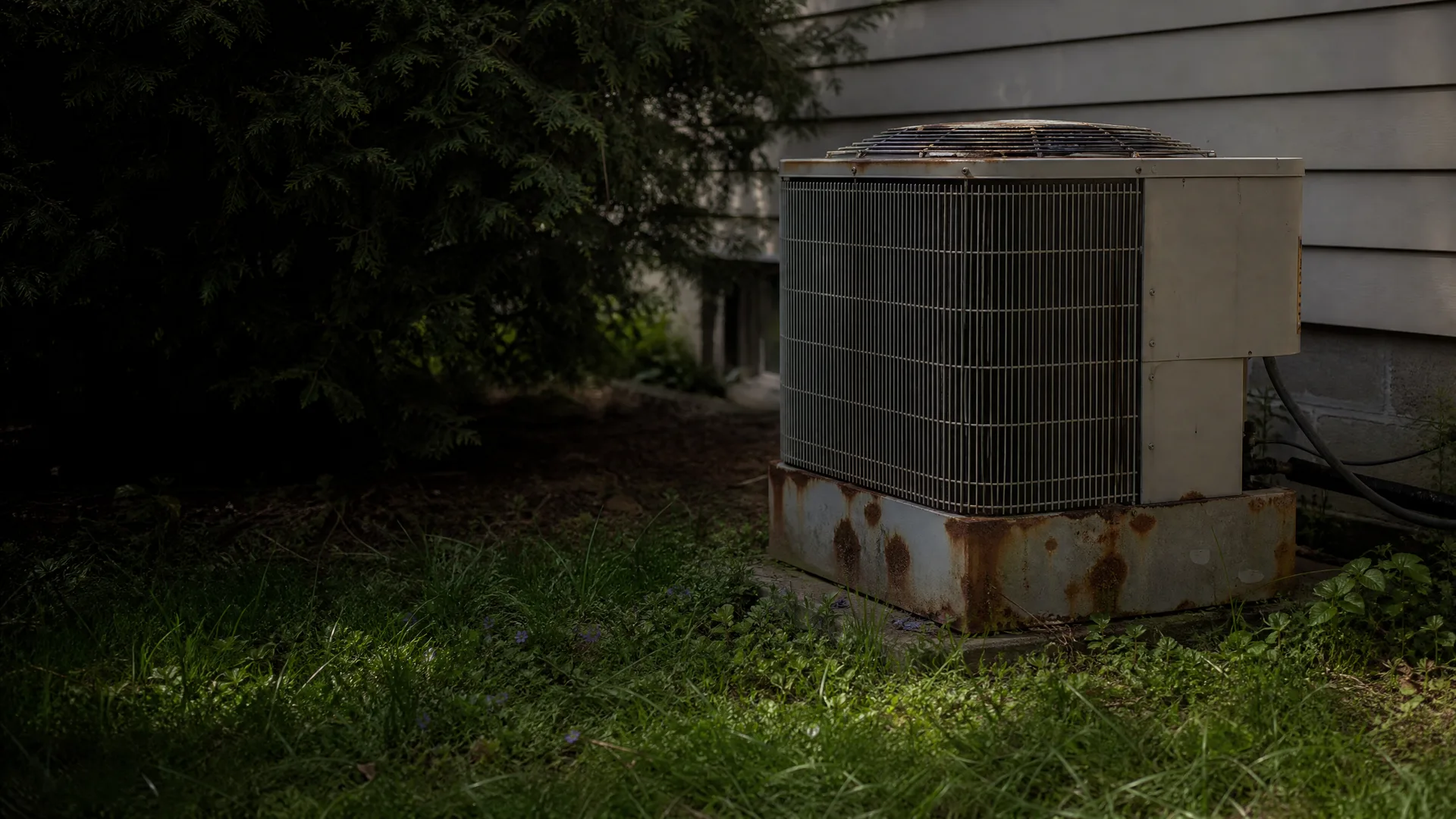
An outdoor air conditioner or heat pump condenser unit sits on a rusted concrete pad beside a house with horizontal siding, surrounded by grass and dark evergreen foliage.

The rust along the base caught your eye first, back in March, when you were out coiling the garden hose. Spring sun, nothing running, the unit just sitting there quiet in the side yard. You crouched down and saw it was worse than last year, flaking along the bottom panel where the condensation drains out. You didn't think much of it then. The thing still ran fine all through those 28-degree nights last winter, far as you could tell. But you made a note to ask someone about it before the cold came back around, because that base is where the coil sits, and you'd rather know now than find out in January.


Power here costs 12.77 cents per kilowatt-hour

At 12.77 cents per kilowatt-hour, running your heat pump hard on a cold night doesn't punish your bill the way it would somewhere with pricier power. That matters on the nights when backup heat has to kick in to carry the load.

EIA-861 2025

  1. Thermostat calls for heat, and the reversing valve sets refrigerant flow

  2. Outdoor coil pulls heat from the air outside, even in cold temperatures

  3. Compressor raises that heat to a usable temperature for the house

  4. Indoor coil releases the heat into air pushed through your ducts

An outdoor condenser unit on a concrete pad beside a horizontal-sided house, with insulated refrigerant lines running to a wall-mounted box, surrounded by bare dirt.
Before you get your heat pump installation
A gray outdoor condenser unit on a concrete pad beside a house with horizontal lap siding, with a wall-mounted disconnect box, conduit and insulated refrigerant lines, a shrub at left and gravel at right.
After you get your heat pump installation
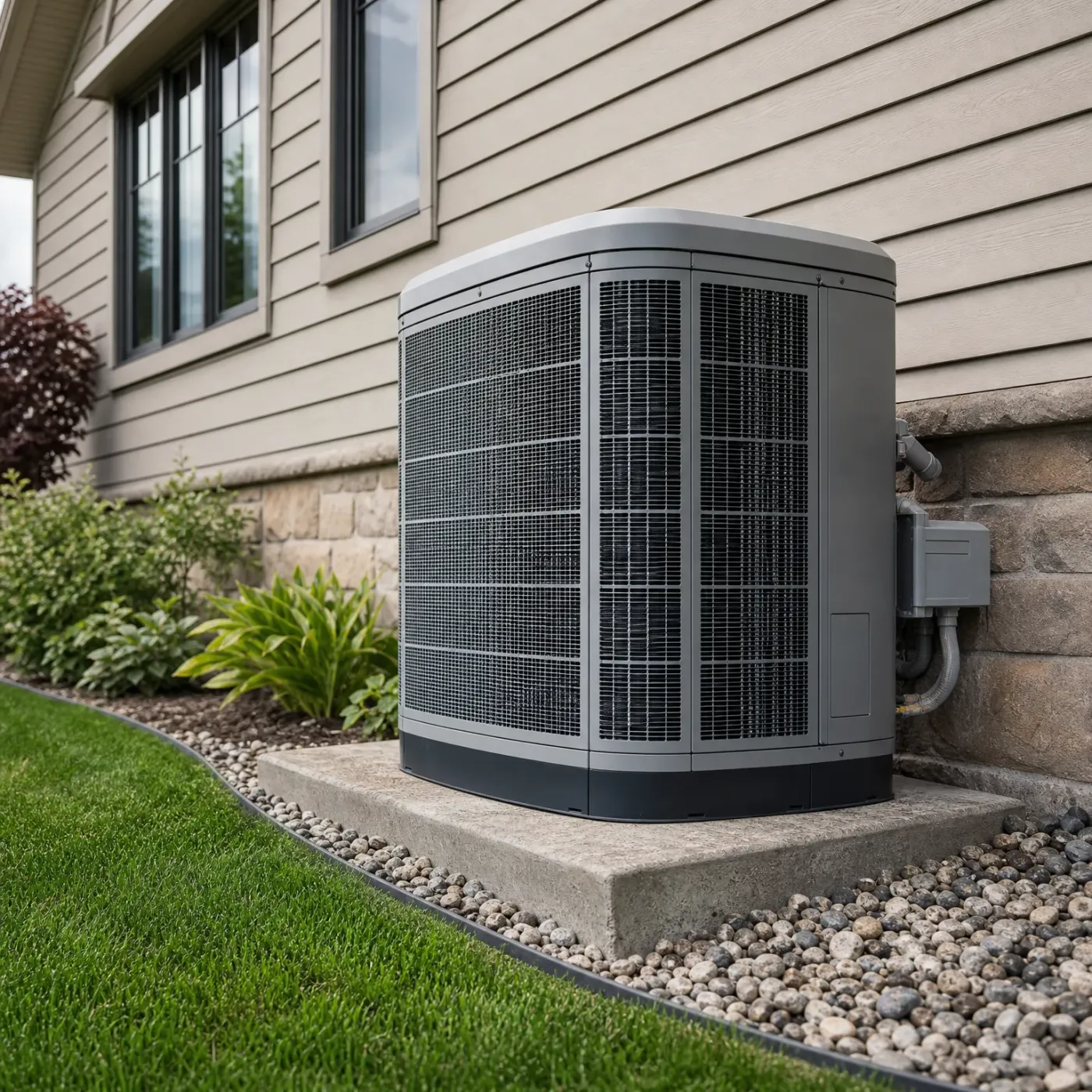
A gray outdoor condenser unit on a concrete pad beside a house with horizontal lap siding and a stone foundation, with a lawn, shrubs and decorative gravel nearby.

Get matched with a heat pump pro in Benton County

Skip searching for a heat pump pro and answer a few questions instead.

Your request goes to a Benton County pro who takes heat pump jobs.

Skip calling around

You're not committing to anything by asking.

Why does the air coming out feel cool on the coldest mornings

Stand near a vent at 6 a.m. in January and the air moving might not feel hot, more like lukewarm, even though the system is running. That's not a sign something's broken. A heat pump delivers air cooler than a furnace would on a night in the teens, so the house holds steady but never feels like it's being blasted with heat. If the air feels truly cold, or you hear it running nonstop without the house warming up, that's different. It points to the backup heat not kicking in when it should, and on a night that cold, a house that can't keep up starts losing warmth fast, especially in rooms farthest from the thermostat.

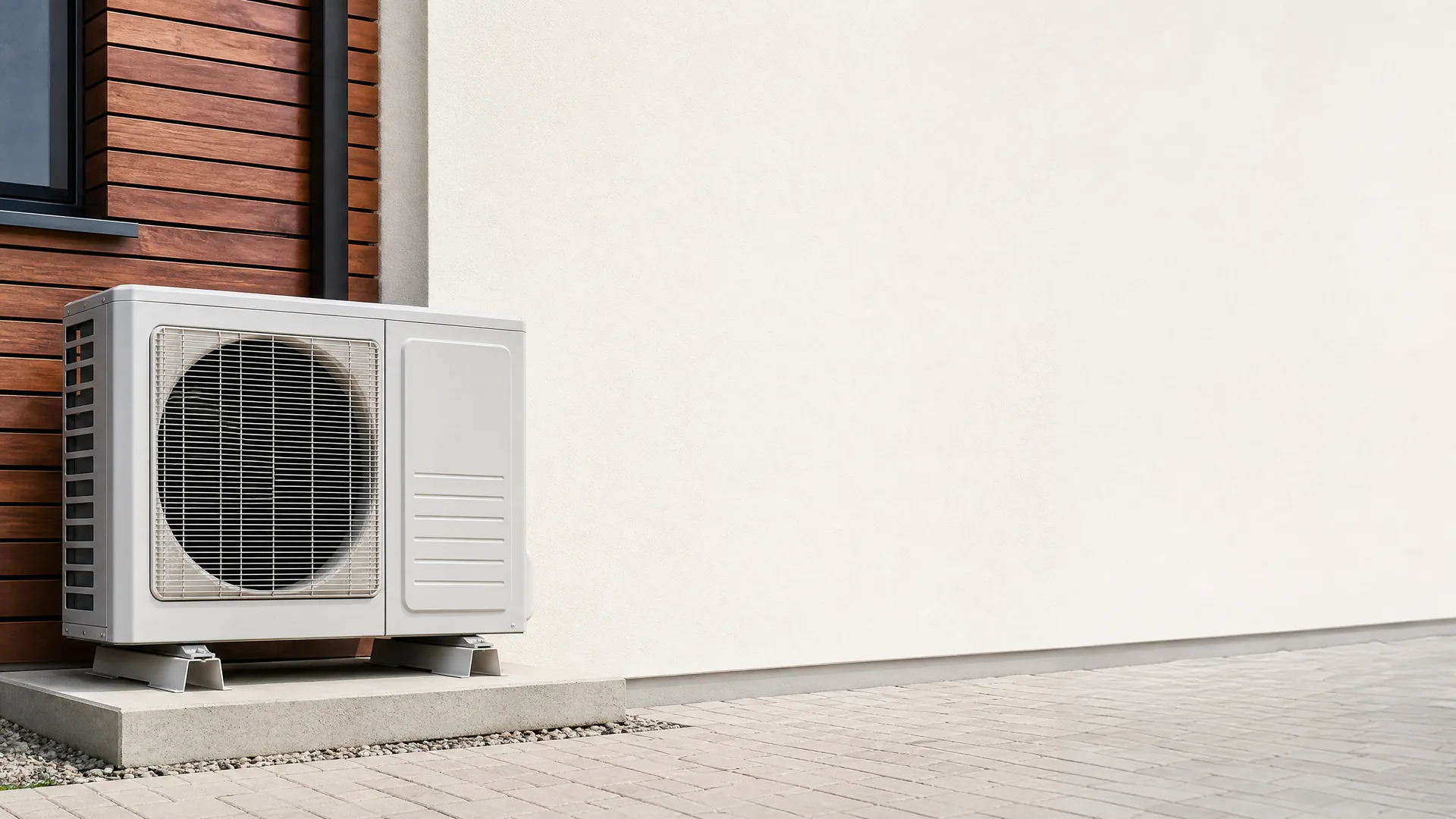
A white outdoor heat pump unit on a concrete pad beside a house with wood-slat siding and a large plain light-colored stucco wall, with paving stones in the foreground.

A heat pump with backup heat

Most heat pumps installed in Benton County come paired with electric resistance coils or a gas furnace for backup. When the outdoor temperature drops low enough that the heat pump alone can't keep the house warm, the backup kicks in automatically and carries the load until it warms back up outside. You never have to switch anything or notice the handoff. The thermostat manages it, and the house stays at the temperature you set, even on the coldest night of the year.

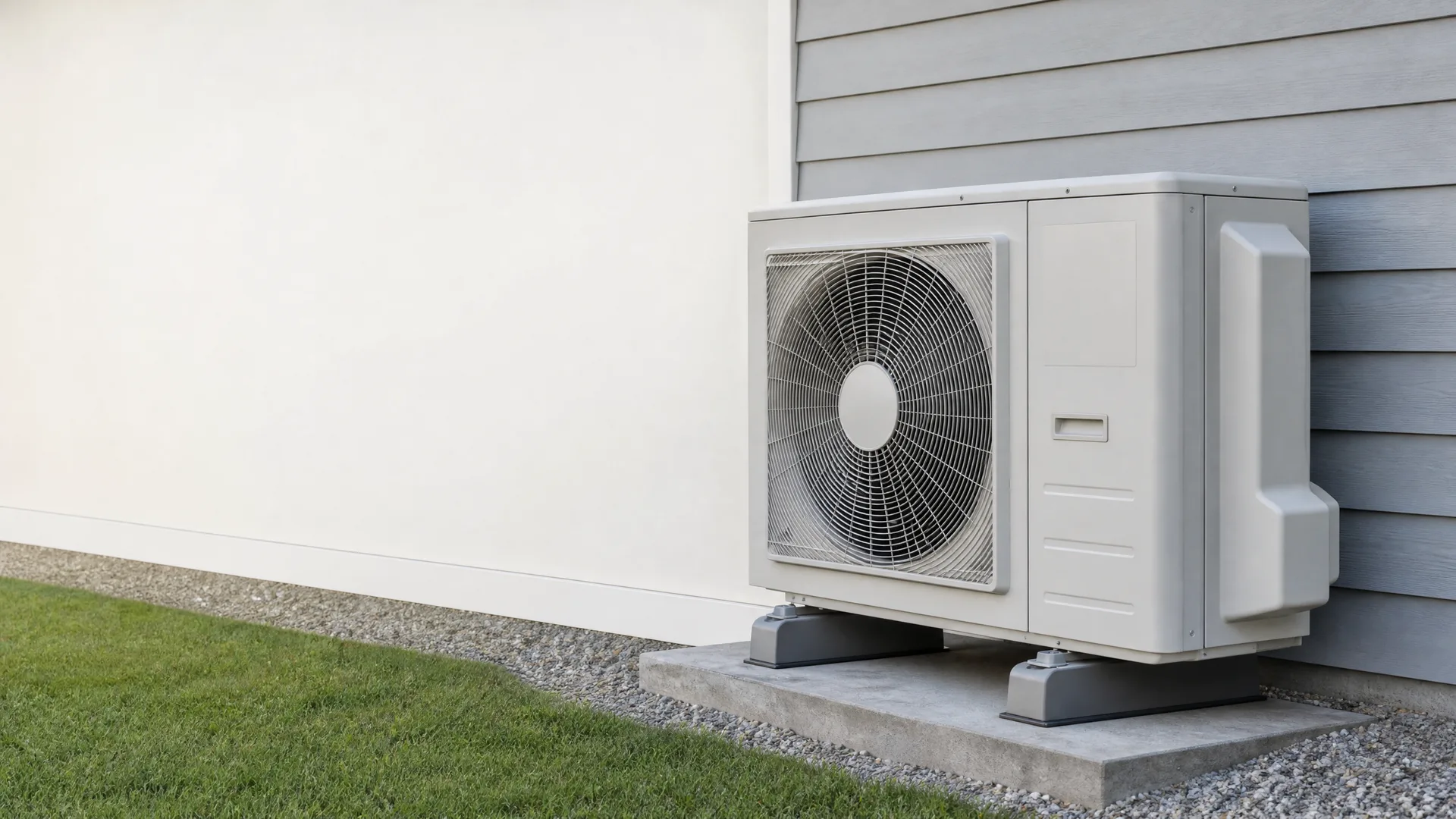
A white outdoor heat pump unit on rubber feet sits on a concrete pad beside a gray-sided house wall, next to a smooth light wall, gravel strip and lawn.

A heat pump with no backup

Some heat pumps run alone, with nothing to pick up the slack when the air outside gets too cold to pull much heat from. On those nights, the house falls behind. The system keeps running, but the indoor temperature can drift down a few degrees below the setting until the outdoor air warms up again. In Rogers, where overnight lows settle into the 20s for weeks at a stretch each winter, that gap shows up more than once a season.

Why does my heat pump make a clicking sound before it switches over?

You hear it most on a cold morning, a sharp click from the outdoor unit or somewhere in the ductwork right before the air changes. It happens again a little later. You're not sure if it's the defrost cycle, the backup heat, or something starting to fail, especially since it seems to happen more on the coldest days of winter here in Rogers.

That click is the reversing valve switching the refrigerant flow

A heat pump uses the same refrigerant loop to heat and cool, and the reversing valve is what flips it between the two. You hear it click when that valve shifts position, either starting a defrost cycle to clear frost off the outdoor coil or switching back to normal heating once the frost is gone. On a cold night in Benton County, with the system running long stretches and frost building up on that outdoor coil, the valve can switch several times before morning. A single sharp click at the start or end of a cycle is normal. A loud bang, a clicking that repeats without the system changing modes, or a click followed by the system not heating at all is worth having a contractor look at.

A gray outdoor condenser unit sits on a concrete pad against a house wall with horizontal siding above a stone veneer base, with an electrical disconnect box and conduit on the wall and a leafy shrub in mulch to the left.

A heat pump holding its own

The unit sits clean on its pad, coil fins clear, nothing blocking the airflow it needs. On a cold night it can pull heat from that outside air and send it inside without strain. This is what lets a heat pump carry Rogers winters most days on its own.

An outdoor air conditioner condenser unit on a concrete pad beside a house with horizontal siding above a concrete block foundation, with insulated refrigerant lines and a vertical white pipe on the wall.

A heat pump worn down by age

Weathering along the cabinet, refrigerant lines exposed along the block foundation. An older unit like this has lost some of the capacity it had new, right when Benton County's cold nights ask the most of it. That gap is where backup heat starts carrying more of the load than it should.

A woman in a cream knit sweater sits in an armchair indoors, eyes closed and smiling, beside a window showing yellow and orange autumn foliage, with a mug on a wooden side table and shelves holding vases behind her.
An older man with gray hair and a navy knit sweater sits in an armchair with his eyes closed, near a bright window with potted green plants.
A woman stands in the open black front door of a white-sided house with a dark shingled roof while a man in a navy jacket approaches along the walkway, with lantern wall lights, a potted shrub, and flowering garden beds nearby.

Where that leaves you this winter

A heat pump can carry a Rogers winter most of the time, and it needs backup heat for the nights Benton County drops into the teens and 20s. That's the straight answer. What decides whether it works for your house is the condition of the unit outside, whether the backup heat is sized and working the way it should, and whether the coil and the ductwork are doing their part when the system needs them most.

You don't have to sort out which of those apply to your setup on your own. A contractor who knows Benton County winters can look at your specific unit, tell you where it stands, and handle what needs fixing or adjusting before the next cold night arrives. That saves you from calling around, explaining your situation to one company after another, and trying to compare quotes you can't quite line up against each other.

A speckled beige ceramic vase holding thin dried branches sits on a round wooden table near a window with sheer curtains, with a dark upholstered chair and draped blanket blurred in the background.
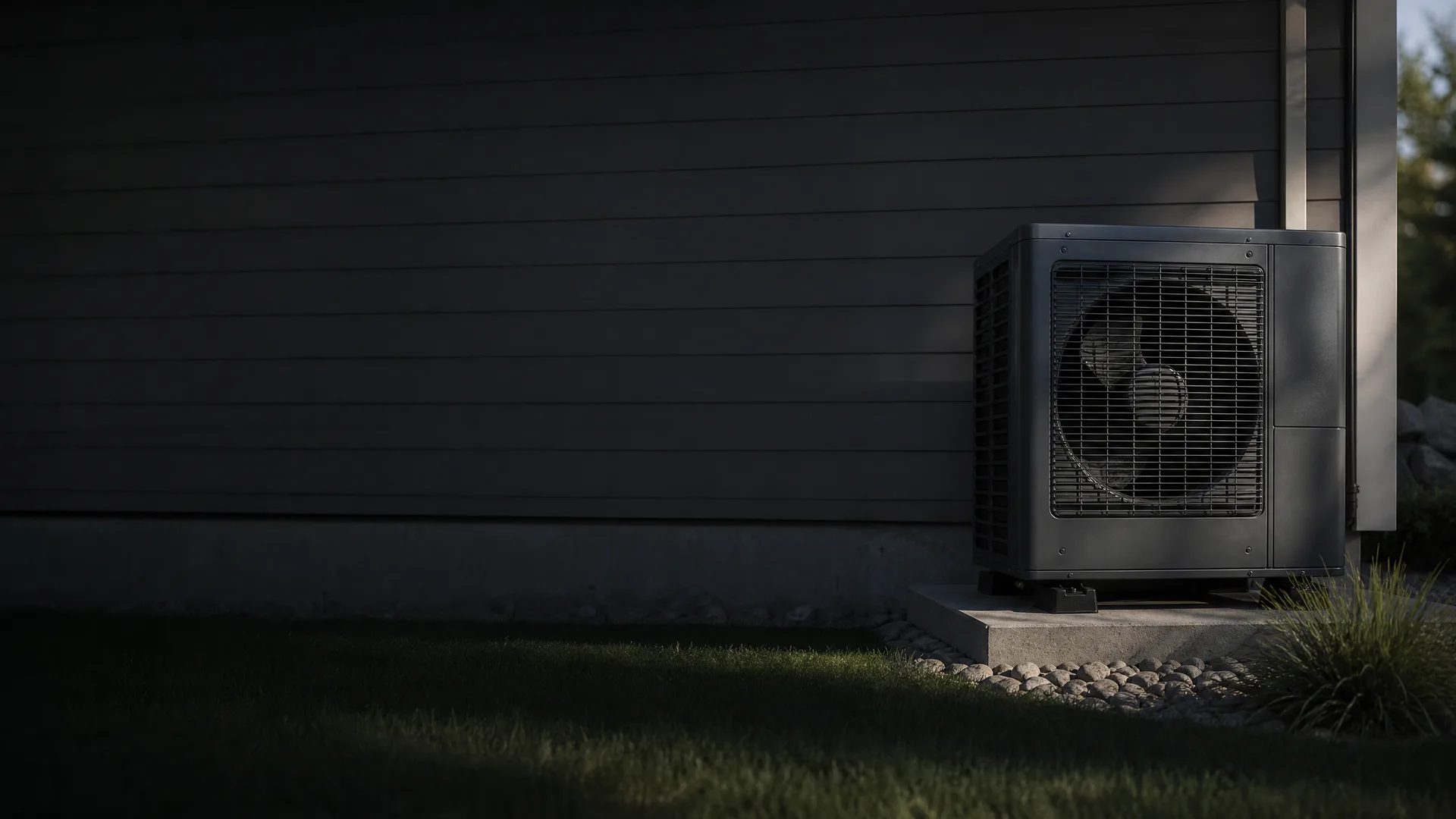
An outdoor air-source heat pump unit with a large fan grille stands on a concrete pad beside a dark horizontal-slat clad house wall, bordered by gravel, grass and an ornamental grass clump.

Find a heat pump installation pro in Benton County

Describe the project once instead of to every installer.

Step 1 of 3: Equipment