
How long a heat pump lasts in Conway, AR

Your new heat pump project goes to an installer who works in Faulkner County.

Get a local pro

How long does a heat pump last in Conway, AR?

You're probably asking because your heat pump is getting older and you want to know if it's nearing the end, or you're weighing repair against replacement and want a number to measure against. Either way you want a straight answer, not a range so wide it tells you nothing.

About 15 years, often less here

A heat pump generally runs 15 years before it needs replacing. In Conway, a lot of them don't make it that far. The unit works both directions all year, pulling heat into the house all winter and pushing it out all summer, and it almost never shuts off for long. Faulkner County summers run hot and muggy for months, and winters get cold enough that the system leans on it hard the other way too. That's two full seasons of heavy use instead of one, and it adds up faster than it does somewhere milder. If your heat pump came with the house, its age is worth checking against this. One past 12 or 13 years is worth watching closely, even if it's still running fine today.

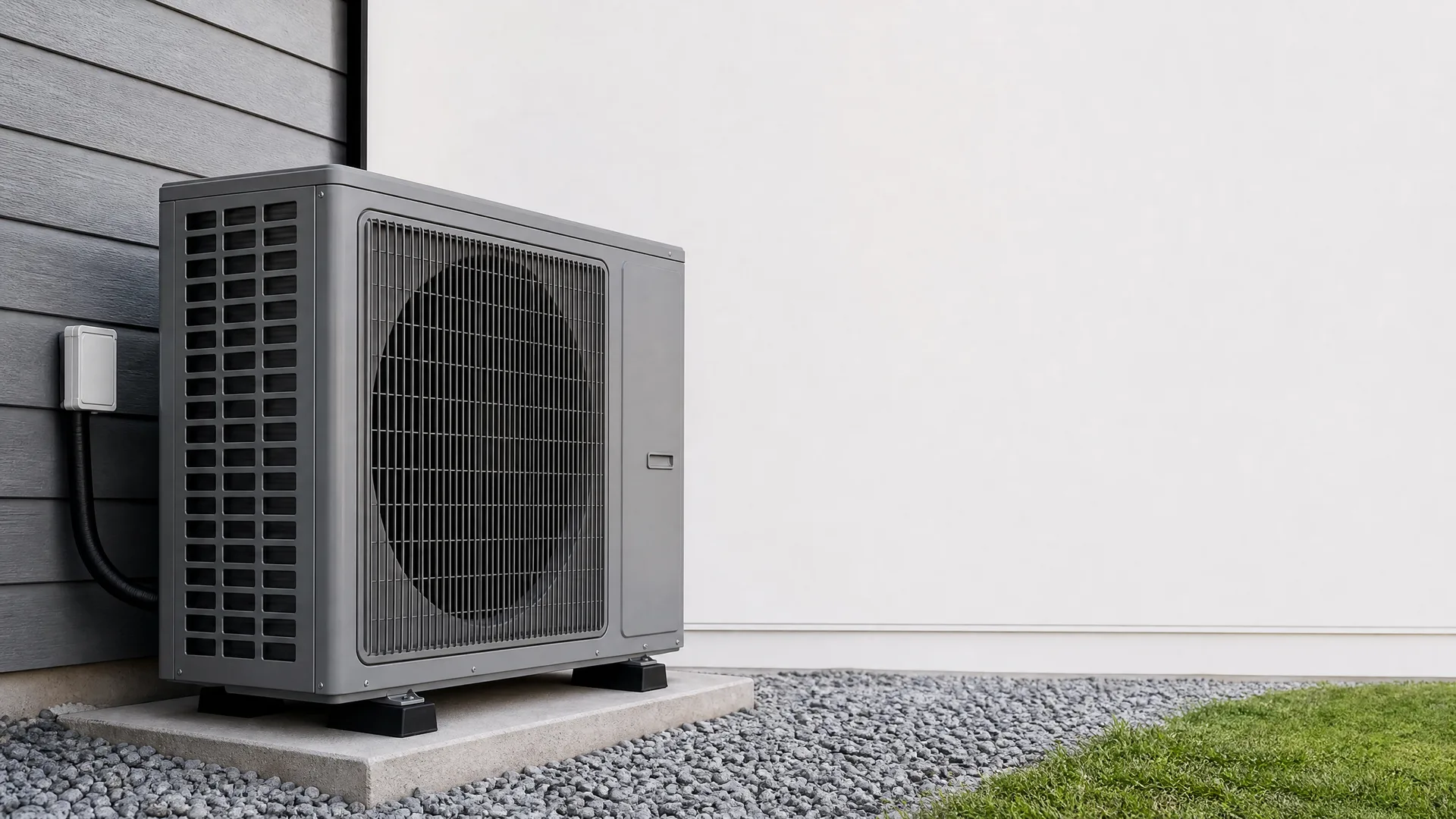
A gray outdoor heat pump unit on a concrete pad beside a house with dark horizontal siding and a plain white wall, surrounded by gray gravel next to a strip of grass.

Why the compressor wears first

A heat pump works both sides of the year here, cooling the house from April through October and then switching over to pull heat out of the cold air all winter. That compressor runs far more hours than a furnace or an air conditioner alone ever would. Every extra cycle adds wear, and the compressor is the part that ends a system's life. When it fails, the cost of replacing it rarely makes sense next to a new unit.

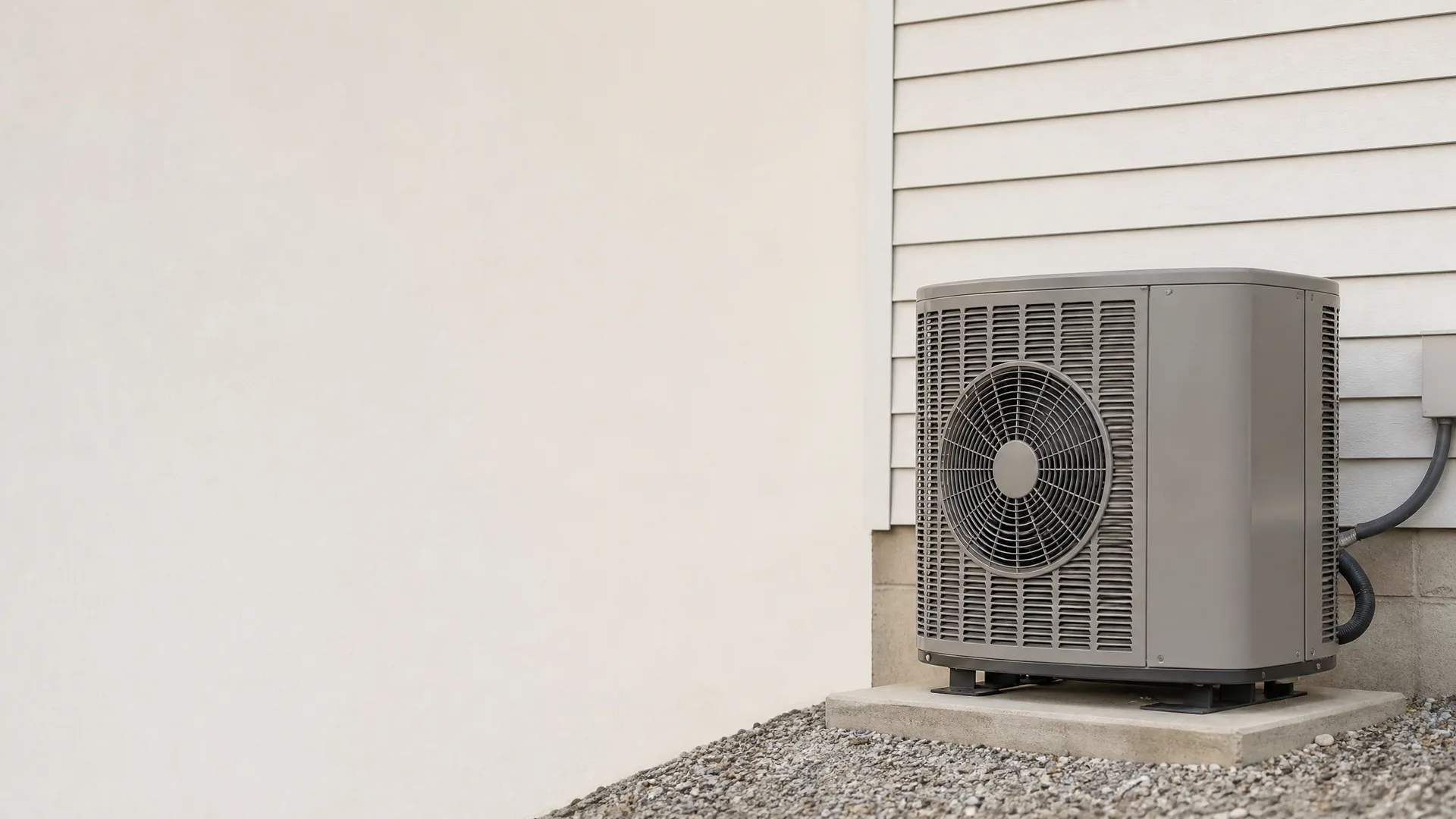
A gray outdoor heat pump unit on a concrete pad over gravel, beside a house with horizontal siding and an adjoining light stucco wall.

What a yearly checkup catches

A technician checking the system before summer and again before winter can find a low refrigerant charge, a dirty coil, or a failing capacitor while it's still a small fix. Skip those visits and the compressor works harder than it should for years at a time, which shortens its life even if nothing ever breaks outright. Homeowners who keep both visits on the calendar tend to get closer to the full stretch of years their system is built for.

What is Conway's weather actually asking of your heat pump?

  • Winter nights average 32°F

    Winter nights here average 32°F, right at freezing, which means the compressor is pulling heat out of cold outdoor air on most winter nights, not mild ones.

  • Heat runs November through April

    Heat runs November through April here, six months, so the compressor is working the winter side of the job for half the year.

  • Cooling runs May through September

    Cooling runs May through September, five months, so between the two the compressor is on duty roughly eleven months out of twelve.

NOAA nClimDiv 1991-2020

A heat pump that gets light use

Some homes around Conway lean on a wood stove or gas logs for the coldest stretch of winter and let the heat pump carry the mild days in spring and fall. With the compressor cycling on less through January and February, it has fewer hours worked by the time ten or twelve years pass. A unit used this way can run past the age where a harder-worked system starts needing compressor or coil repairs, simply because it was asked to do less.


A heat pump that runs all year

Plenty of houses in Faulkner County ask the heat pump to do everything, cooling from April through October and then pulling heat out of freezing night air from November through April. There's no break in the schedule. That compressor is working most months of the year, every year, and the wear shows up sooner. A system carrying this full load is the one more likely to need a compressor or coil repair in year eight or nine rather than year fourteen.

A woman with wavy blonde hair wearing a grey knit cardigan over a green top sits on a sofa in a living room, looking off to the side.
A woman with long brown hair in a cream knit sweater sits on a light sofa in a living room, looking toward a window with sunlight on her face.
A woman in a gray sweater sits in a chair in a living room with a dark sofa, wooden coffee table with a potted plant, and a staircase behind her, looking toward a window.
A smiling woman with dark hair in an updo, wearing a gray ribbed turtleneck sweater, sits on a light sofa in a living room and looks off to the side.

What a heat pump nearing the end feels like

You'll notice it before a part fails outright. Rooms that used to even out stay a few degrees off from each other. The system runs longer to hit the thermostat setting, especially on those 32°F nights, and the electric bill climbs without anyone changing the thermostat. Some homeowners hear it too, a harder clatter when the compressor kicks on, or a longer pause before it does. None of this means it's done. It means the compressor is working harder to move the same heat it used to move easily, and that gets more true every winter it goes on doing it. If your system is past the point where most in this area are replaced, this is what to watch for rather than wait for a breakdown to tell you.

What happens if you wait too long

A heat pump doesn't usually fail all at once. It fails on the coldest night of the year, because that's when the compressor is working hardest, and a weak one gives out under load. That leaves you without heat exactly when you need it most, and scrambling for a contractor during the same cold snap that's stressing every other system in the county. Waiting for a full breakdown also means you lose the choice. You take whatever unit can be installed fastest, instead of the one sized right for your house. Replacing it on your own schedule, once you know it's near the end, means you pick the timing and the system.

An outdoor condenser unit sits on a concrete pad beside a house with horizontal vinyl siding, with a gray electrical disconnect box and conduit on the wall and a shrub at left.
Before you get your heat pump installation
A gray outdoor condenser unit on a concrete pad beside a light-colored lap-sided house, with a wall-mounted disconnect box, refrigerant lines, mulch bed and shrubs, and a concrete walkway in the foreground.
After you get your heat pump installation

Get matched with a heat pump pro in Faulkner County

Once you send the form, finding a pro is off your list.

No fee to send it, and nothing to sign.

A 14 year old heat pump that still runs can still cost more to run every winter than a new one would, because the compressor loses efficiency years before it quits for good.

A new heat pump sized and installed right for a Conway home should handle the freezing nights and the muggy summers without strain for close to 15 years, sometimes a few more.

A smiling older woman with gray shoulder-length hair in a cream cable-knit turtleneck sweater stands behind a wooden board holding a round loaf of bread, in a warmly lit kitchen with a dark window and shelves behind her.
A woman with dark hair in a bun sits on a sofa with a child resting his head on her shoulder, both wrapped in a cream knit blanket, with a lit lamp and bookshelf in the dim background.

The reversing valve is what makes a heat pump different from a plain air conditioner. It switches the refrigerant flow so the same unit cools the house in July and heats it in January. When that valve sticks, people call because the system is blowing cold air in the middle of winter. Outside, the unit runs through defrost cycles on its own all winter, melting ice off the coil so it can keep pulling heat from the cold air. The colder the night, the more often it defrosts, and that is extra wear a furnace never sees. The outdoor fan motor and compressor sit exposed to weather every day of the year, not just through summer, so corrosion and debris build up faster than on a unit that shuts down half the year. Refrigerant charge has to be exact for any of this to work. A slow leak shows up first as weaker heat on the coldest nights, and years of running low on charge wears the compressor down long before anything else on the system gives out.

How the system actually fails

  • The reversing valve switches the refrigerant flow so the system can shift from cooling to heating, and a stuck valve usually shows up as a unit blowing cold air in January.
  • Defrost cycles run automatically in winter to melt ice off the outdoor coil, and a heat pump working hard on cold Conway nights will cycle through defrost more often.
  • The outdoor unit has a fan motor and compressor exposed to weather year round, so corrosion and debris take a toll faster than on equipment that only runs half the year.
  • Refrigerant charge has to stay exact for the compressor to pull heat efficiently from cold air, and a slow leak shows up first as weaker heat on the coldest nights.
  • The backup heat strips kick in when outdoor temperatures drop low enough that the compressor alone can't keep up, and leaning on them often points to a system losing capacity.
  • Oil returning to the compressor depends on correct refrigerant flow, and years of marginal charge levels wear the compressor down well before other parts show problems.
A light gray outdoor heat pump unit mounted on a concrete pad beside a house with horizontal lap siding, with refrigerant lines and conduit running to a wall-mounted electrical box, gravel and a leafy shrub nearby.
Lines and conduit run clean from the unit to the disconnect box, and the coil is clear, which is how a heat pump should look at any age.
An outdoor air conditioner condenser unit on a concrete pad beside a house with horizontal lap siding, with refrigerant lines entering the wall and a shrub on bare soil to the left.
A coil packed with debris makes the compressor work harder to move the same heat, and that strain is what shortens the years it has left.
  1. Refrigerant inside the outdoor coil absorbs heat from cold outside air.

  2. The compressor pressurizes that refrigerant, raising its temperature further.

  3. The reversing valve routes hot refrigerant to the indoor coil.

  4. Indoor air blows across that coil and picks up the heat.

Power here costs 11.49 cents per kilowatt-hour

At 11.49 cents per kilowatt-hour, running a heat pump through all those November-to-April mornings and muggy summer afternoons costs less here than it does in most places. That's worth weighing against repair bills on an aging unit, since a new heat pump sized right for your house can hold that low operating cost for years.

EIA-861 2025

A heat pump in Conway runs somewhere around 12 to 15 years, less if it's been working hard through a lot of winters at or near freezing, more if it's had light use and steady care. Past that point you're paying for a machine that costs more to run every month than a new one would, and one breakdown away from a cold house in January. If yours is in that range and showing the signs, the number matters less than the decision in front of you. Sending a form here doesn't mean researching contractors, comparing quotes, or figuring out who's licensed and who answers the phone. It means a contractor who knows Conway homes and Conway winters reaches out to you, and the job of finding someone is no longer sitting on your list.

A gray outdoor heat pump unit mounted on a concrete pad beside a dark horizontal-slat clad house wall, with gravel ground and shrubs nearby.

Find a heat pump installation pro in Faulkner County

Step 1 of 3: Equipment