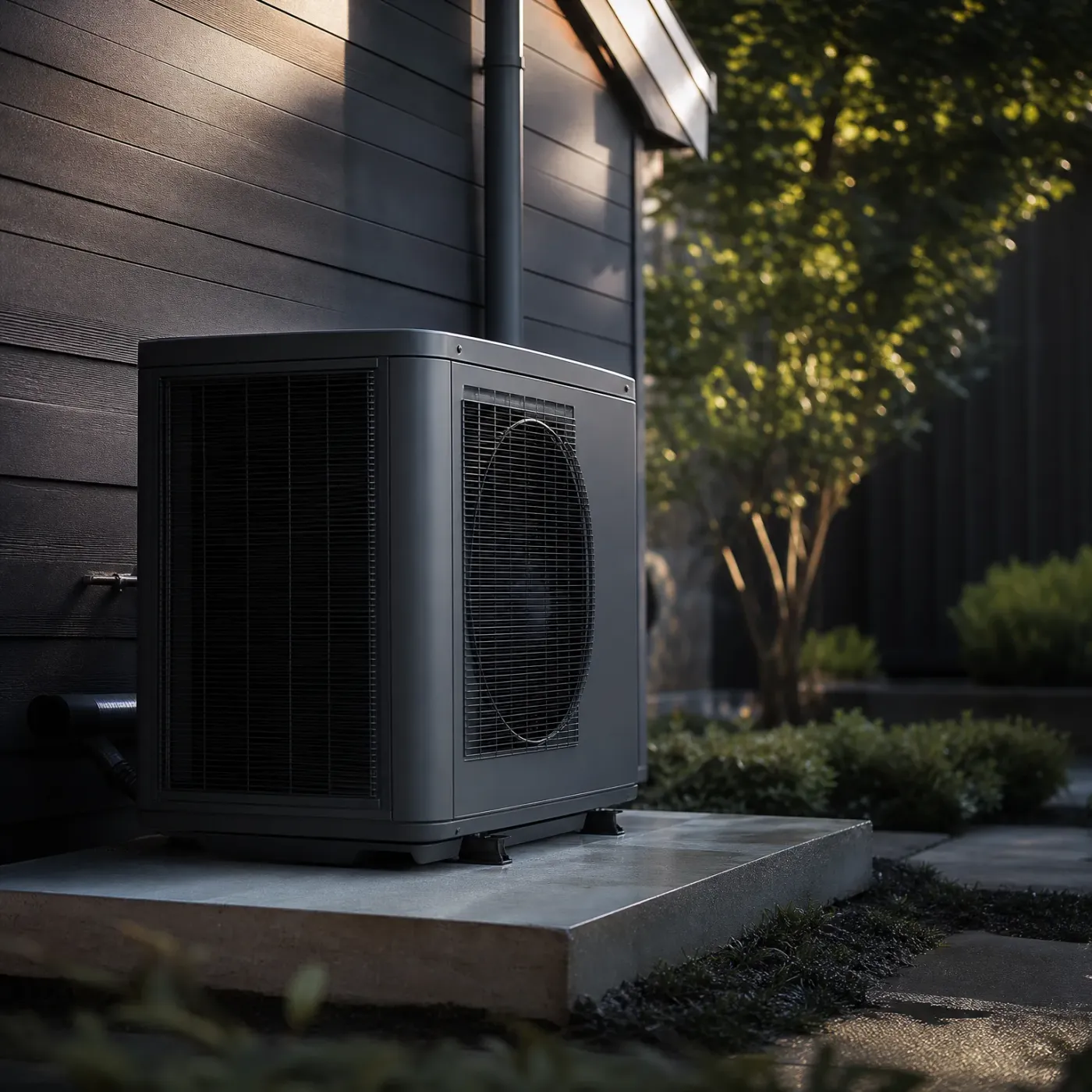
Get the right pro for your heat pump
How cold is too cold for a heat pump in Arkansas
Most heat pumps lose efficiency as it gets colder outside, and below a certain point they can't keep up on their own. This page covers what temperature that is and what happens to your system once Arkansas hits a hard freeze. If you want a sense of whether your setup still makes sense for how cold it gets here, a contractor who knows Arkansas winters can look at your situation and reach out.
Get my matchA heat pump starts losing ground somewhere around 25 to 30 degrees outside, and below that it leans harder on backup heat to keep the house warm. The reason comes down to the outdoor unit. It pulls heat out of the outside air, and the colder that air gets, the less heat there is to pull. Arkansas doesn't sit at single digits for long, but winter nights here do dip into the 20s and lower, often enough that most homes with a heat pump also have electric backup heat strips built in to carry the load when the outdoor unit can't. That backup heat uses more electricity than the heat pump alone, so a stretch of hard cold shows up on the power bill. If your system is struggling to keep up on the coldest nights, or the backup heat seems to be running more than it should, that's worth having a contractor look at.

What the backup heat is doing
When your heat pump can't pull enough warmth from the air, a set of electric strip heaters inside the air handler kicks on to make up the difference. That heat costs more to run than the compressor does, which is why your bill climbs during a long cold snap even though the house feels the same. The system isn't broken when this happens. It's doing exactly what it's built to do once the outdoor temperature drops past what the compressor alone can handle.

Why the outdoor unit works harder
The coil in your outdoor unit has to stay colder than the air around it to pull any heat out at all. As the outside temperature falls, that coil runs colder too, and at some point frost starts forming on it. The system has to pause and run a defrost cycle to clear that off, which is normal in an Arkansas winter once nighttime temperatures sit near or below freezing for a stretch. It's a short pause, not a failure.
Heat Pump Alone vs. With Backup Heat
Heat pump alone
- Pulls what warmth it can from the outside air and moves it inside without any strip heat running.
- Costs less to run per hour than backup heat, since the compressor moves heat instead of generating it.
- Keeps up fine on most Arkansas days, even cold ones, as long as the outdoor temperature stays above the high 20s.
- Struggles to hold the thermostat setting once the outdoor air drops into the low 20s or colder.
- Can leave the house a few degrees under the setpoint during a hard freeze if backup heat doesn't engage.
Heat pump with backup heat
- Switches on the electric strip heaters inside the air handler to cover the gap the outdoor unit can't close.
- Holds the house at the temperature set on the thermostat even when it's well below freezing outside.
- Draws more electricity while the strips are running, since resistance heat costs more than compressor heat.
- Runs the strips only as long as needed, stepping back to the compressor alone once the air warms up.
- Matters most overnight and during cold snaps, when outdoor temperatures sit at their lowest for hours at a stretch.
Outdoor air drops below 25 to 30 degrees, and the coil can't pull enough heat.
The thermostat calls for backup heat to make up the shortfall.
Electric strip heaters in the air handler switch on alongside the compressor.
Both run together until the house reaches the set temperature, then the strips shut off.




A pro who works on heat pumps

Send the form and stop researching installers for the new heat pump.
There's no charge for the request.
What a hard freeze does to your bill
Arkansas gets nights in the teens and low 20s most winters, and those are the nights your heat pump needs the most help from backup heat to keep everyone comfortable. Strip heat pulls a lot more power than the compressor alone, so a stretch of hard freeze shows up on the power bill that follows it. Since most homes here heat with electricity anyway, that jump is easy to miss against the rest of what the house is running. Power in Arkansas is cheap compared to a lot of places, which softens it, but a system leaning on strip heat for days in a row still costs more to run than one that only needs it for an hour or two overnight.
What a mismatched system risks
A heat pump sized or installed wrong for your house runs backup heat more than it should, even on nights that aren't especially cold. That means the people inside feel the house struggle to hold its temperature, or the air coming out of the vents feels cooler than they expect while the strip heat catches up. Over a winter, a system like that leans on backup heat far more than one set up correctly for your house and your climate, and the difference lands in what you pay to keep everyone warm. Getting it installed right the first time, sized for your house and matched to how cold it actually gets here, is what keeps that backup heat doing as little work as possible.


Power costs 12.87 cents per kilowatt-hour statewide
At 12.87 cents per kilowatt-hour, every hour strip heat runs on a cold night adds up faster than the compressor alone ever would. That gap is what you're watching for when a hard freeze settles in and the backup heat won't shut off.
EIA-861 2025 statewide residential average
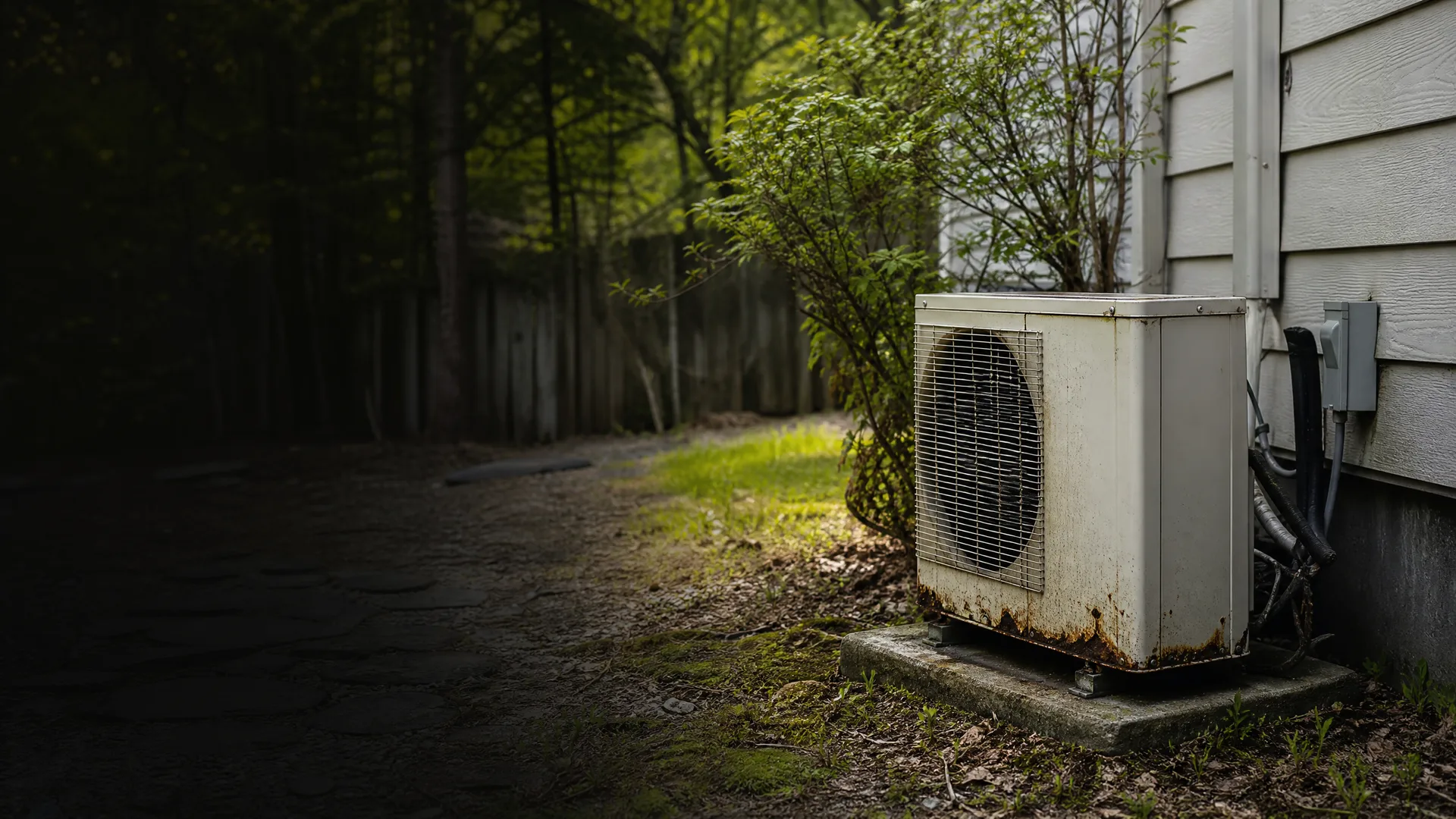
The sun's out but there's still frost in the shadow by the fence line. You walk past the side yard where the outdoor unit sits, and you notice the rust creeping along its base again, a little more than last spring. It's been running hard the last few weeks, through those nights in the teens, and it shows. You crouch down and brush some dead leaves off the cabinet, half checking on it the way you'd check on anything that's been working overtime. The coil looks fine. The rust doesn't mean it's failing today. But you make a note to ask somebody about it before next winter asks the same of it again.

So that's the number to watch
Your heat pump starts struggling somewhere around 25 to 30 degrees outside, and once Arkansas drops into the teens overnight, backup heat is doing a lot of the work to keep the house warm. That's normal. It's also the point where a lot of homeowners start wondering if their system is still the right fit for how cold it actually gets here.
If you're not sure yours is keeping up the way it should, or you're thinking about what would handle these freezes better, a local contractor can look at your home and what you need from it. Send in a few details and you'll be matched with someone who installs heat pumps in Arkansas and knows what the winters here ask of them. They'll reach out to you directly, and from there it's between you and them.


Heat Pump Installation
Get your heat pump to the right pro

- A local pro who knows heat pumps gets your details and gets in touch.
- Describe your heat pump job, and a local pro who handles it gets in touch.

- Once you send the form, finding a pro is off your list.
- After you send the request, you're done searching.

- Describe the project once instead of to every installer.
- Skip collecting and comparing quotes for the new heat pump.

- One installer gets your project, so there's no bidding war over it.
- The pro who reaches out is licensed in Arkansas.