Tell us about the job
Takes about a minute. No obligation.
Sizing a heat pump for Lonoke County starts with how far outdoor temperatures fall between November and March, because that is where a heat pump's capacity drops and its backup heat has to pick up the slack. Homes in Lonoke County, AR run heat about five months a year, from November through March. A contractor calculating the load here has to work out the coldest design condition the unit will face, not just the average winter day, because an undersized unit leans on its resistance strips to close the gap. Those strips are expensive to run, and a homeowner rarely knows the unit is working that way until the bill arrives. Getting the equipment selection right at install is what keeps that from happening.
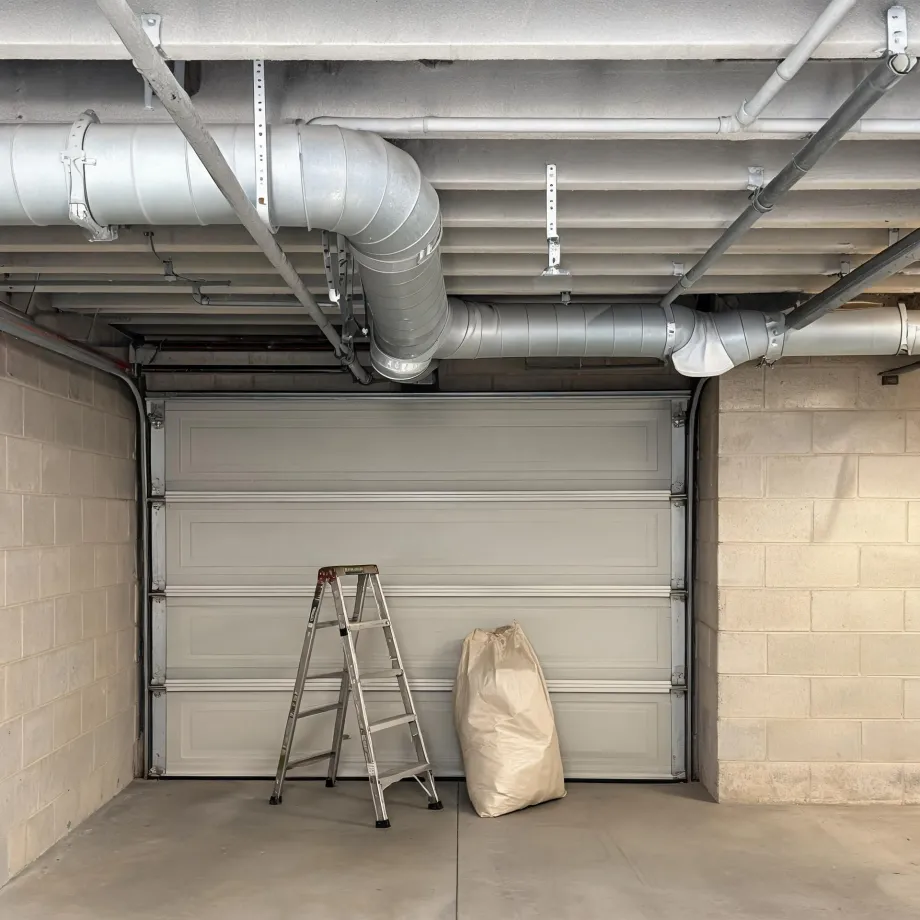
Ductwork laid out for a furnace and central air setup handles air differently than a heat pump does, and whether what is already in the walls and floors of a Lonoke County home can carry the new system without modification is what a contractor has to settle before anything else. Half the homes in Lonoke County, Arkansas were built in 1997 or earlier (2020-2024 ACS 5-year). That puts a large share of local homes in ductwork built for a different kind of load. A contractor who sizes the unit correctly but skips a real look at the existing duct layout may deliver a system that runs short on efficiency from the first day it operates.
What a Heat Pump Installation Covers in Your Home
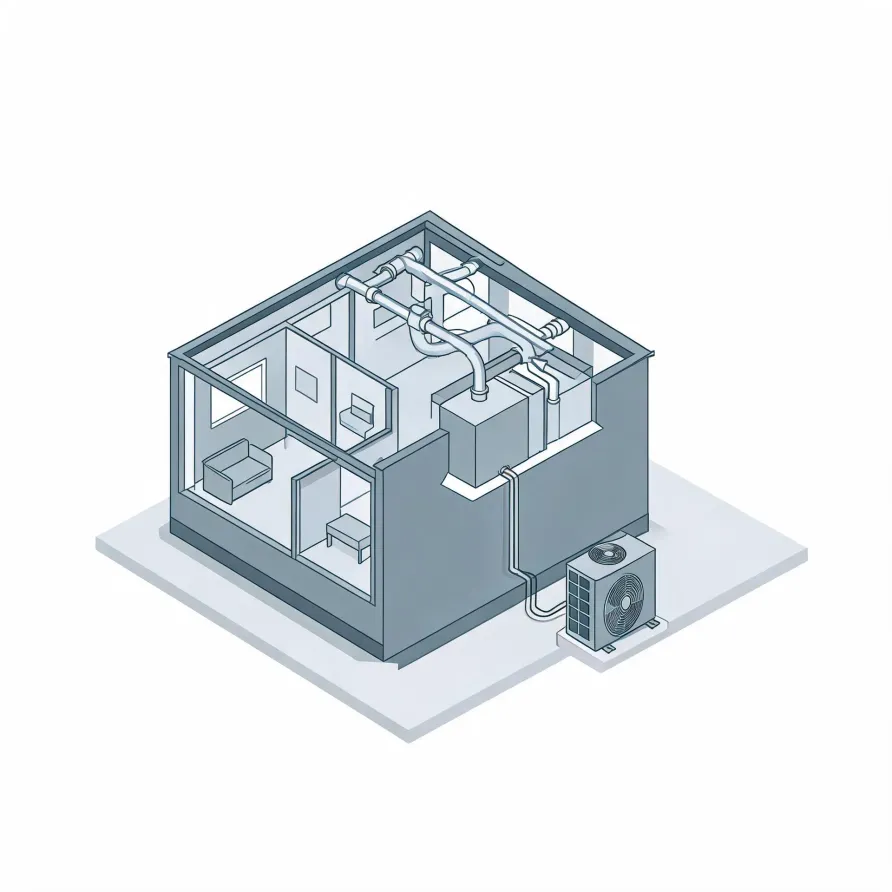
The outdoor unit sits on a pad beside the house and holds the compressor and the coil that exchange heat with the outside air. The indoor air handler mounts in a utility space, closet, or attic and moves conditioned air through the home. Together these two units are what a contractor sets in place.
A refrigerant line set runs between the outdoor and indoor units, carrying the refrigerant that links both sides of the system. A thermostat on an interior wall gives you control over the whole setup, and a condensate drain line carries moisture from the air handler to a safe discharge point.
The drawing shows a typical layout, and a licensed contractor determines exactly how each piece fits your house.
Find a contractor in Lonoke CountyLonoke County, by the numbers
159 severe weather events were recorded in Lonoke County, Arkansas between 2015 and 2024.
NOAA National Centers for Environmental Information, Storm Events Database, bulk CSV export, events 2015-01-01 through 2024-12-31.Half the homes in Lonoke County, Arkansas were built in 1997 or earlier (2020-2024 ACS 5-year).
U.S. Census Bureau, 2020-2024 American Community Survey 5-Year EstimatesLonoke County, Arkansas holds 30,884 housing units (2020-2024 ACS 5-year).
U.S. Census Bureau, 2020-2024 American Community Survey 5-Year EstimatesOwners occupy 75.0% of the occupied homes in Lonoke County, Arkansas (2020-2024 ACS 5-year).
U.S. Census Bureau, 2020-2024 American Community Survey 5-Year EstimatesHeat Pump Installation Rules for Lonoke County, Arkansas2 codes, standards, and licensing rules
Licensing and Legal Requirements in Lonoke County, Arkansas
An Arkansas HVACR licence is good across the state: no city or county may require its own licence to do HVACR work, though local permits and inspections still apply.
Arkansas requires an HVACR licence or registration: it is unlawful to do HVACR work without the appropriate one unless the chapter exempts you.
Severe Weather Events in Lonoke County
Weather puts a measurable load on heating and cooling equipment, and that load is shaped by what actually happens in a given place. A heat pump sized and installed for local conditions handles the work that local weather demands of it.
159 severe weather events, 2015–2024. Source: NOAA National Centers for Environmental Information, Storm Events Database.