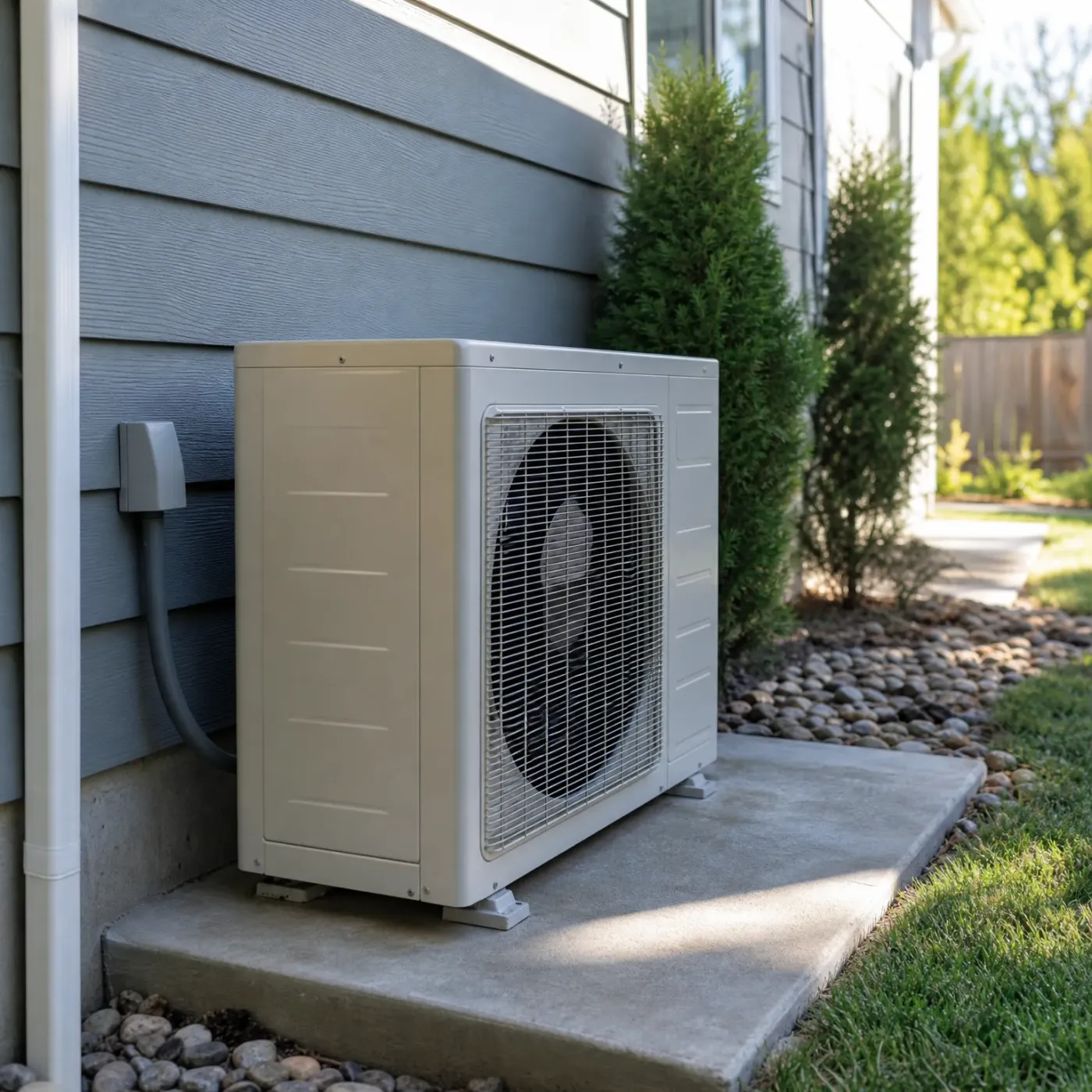
Below freezing, most heat pumps lean on backup heat
When the outdoor temperature drops that low, the heat pump can't pull enough heat from the air alone, so a backup heat source takes over part of the load.

Yes, a heat pump can keep up in Arkansas, down into the 20s and even lower. Arkansas winters don't stay bitter cold for long, and a heat pump moves heat efficiently right up until the outdoor temperature drops low enough that there's not much heat left in the air to pull. On the coldest nights, backup heat strips inside the air handler kick in to cover the gap, so you're not left cold. What matters most is whether the heat pump was sized and installed correctly for your home in the first place. An undersized unit will lean on backup heat more than it should, and that backup heat uses a lot more electricity than the heat pump itself. A properly matched system installed for this climate will carry most of the winter on its own, with the backup heat stepping in only when it's actually needed.


Your heat pump doesn't make heat the way a furnace does. It pulls heat out of the outside air and moves it inside, which works fine most of the time because even cold air holds some heat to take. The colder it gets outside, the less heat there is to pull, so the unit has to run longer and harder to keep your house at the same temperature. Once the outdoor air drops far enough, usually somewhere in the 30s or lower, there isn't enough heat left for the heat pump to carry the load by itself. At that point, electric strip heat built into the system switches on to make up the difference. You'll likely hear it before you think about it, a change in the sound of the system or the air coming out of the vents, since this happens without you touching the thermostat. One thing worth knowing: bumping the thermostat up several degrees at once can call in that backup heat even on a day the heat pump could have handled alone. Setting it gradually keeps the heat pump doing the work longer, which is where it runs most efficiently.




When the outdoor temperature drops that low, the heat pump can't pull enough heat from the air alone, so a backup heat source takes over part of the load.
With most Arkansas homes already heating on electricity, running a heat pump's backup strip heat on cold nights costs less here than it would somewhere with higher electric rates.
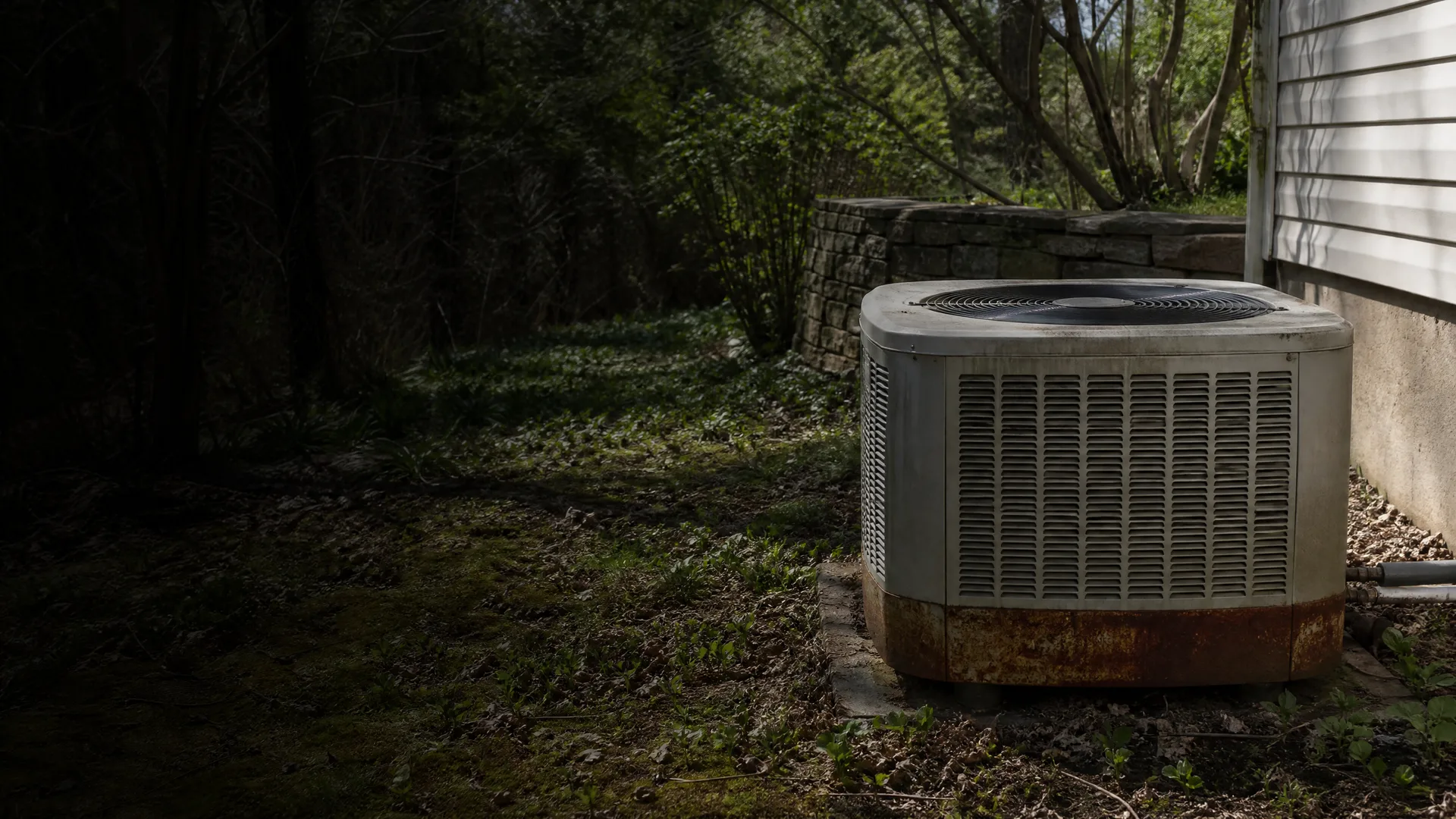
You walk out to the side yard in March to hose off the patio furniture and notice the heat pump sitting there with rust creeping up along its base, flaking where the paint has worn thin near the ground. The unit still runs. It kept the house warm all winter, even on the mornings it dropped into the 20s. But the rust wasn't there last spring, and the panel seams are starting to show it too. You crouch down and press a thumb against the metal near the bottom edge, and it gives a little more than it should. Nothing's failed yet. You just know now that it's something to keep watching, and that the unit outside has a clock running on it that the thermostat inside never shows you.
You notice it most around sunrise, when the air outside is coldest. The vents still blow warm, but the room doesn't seem to catch up like it does by mid-morning. You might hear the system running longer than usual, or notice a different sound as backup heat kicks in. If the thermostat shows a few degrees below what you set, that's the heat pump working through a stretch it can't cover alone. Left unaddressed over several winters, a unit that's undersized or wearing down can mean higher bills every time it leans on backup heat, and in the coldest snaps, a house that never quite reaches the temperature you set.
Summer air here sits heavy, with the dew point near Arkansas homes averaging 68°F across June, July and August, according to NOAA climate data. That's thick, sticky air, and your heat pump has to pull moisture out of it as well as cool the house, which means it runs longer on a muggy July afternoon than the thermometer alone would suggest. It's a different job than the one it does in January, and it's worth having someone size the system for both. A licensed Arkansas contractor who installs and services heat pumps all year, through muggy summers and the cold snaps that follow, knows how to size one for this, not just for the cold months you're asking about now. When you request a match, you're connected with one contractor local to you, not a handful competing for the call.
NASA POWER T2MDEW county cells weighted by homes
A heat pump that's old or undersized shows it first on the coldest mornings, leaning harder on backup heat than it should and running up your bill even with cheap power. If yours is doing that every winter, or if it's old enough that you're wondering whether it will make it through another one, a new install sized right for your house settles the question instead of making you guess every January. The sizing matters more in Arkansas than the brand does, since a unit too small for your house will lean on backup heat constantly and one too large will short cycle and wear out faster. A local contractor who installs these year-round has seen which units handle Arkansas winters without leaning on backup heat every cold snap, and which ones struggle. You'd be matched with one contractor who knows the equipment and your part of the state, not a handful of companies competing for the job. Getting that sizing right from the start is worth more than any brand name on the unit.
A single-stage heat pump installed in a house too big for it will run flat out most winter mornings and still lean on backup heat before the sun's up.
The right size, matched to your house instead of the one that was cheapest to install, carries more of the load on its own and calls on backup heat less often.
At 12.87 cents a kilowatt-hour, leaning on backup heat on a cold morning costs you less here than it would in most states. That changes how much a heat pump's limits actually matter to your bill, and how much weight you put on size and setup when you're having one installed.
EIA-861 2025 statewide residential average
A heat pump sized for your house will still lean on backup heat on the coldest mornings, because that's how the system is built, not because something's wrong with it. The question is how often and for how long. A unit matched to your square footage and your ductwork carries most of the load down into the 20s and only calls on backup heat for the last few degrees. Get the sizing wrong and it's calling on backup heat far more mornings than it should, which you'll notice on the bill even with power priced the way it is here.
Some installations get sized around keeping the house cool and dry through July and August, since that's when the system runs hardest and longest here. That can mean a unit that's larger than what winter actually needs, which isn't a problem by itself, but it means the heating side wasn't the deciding factor in the equipment picked. If winter performance matters to you as much as summer comfort does, it's worth asking how the sizing was worked out and whether both seasons were weighed, not just the one that runs the AC the most.


A heat pump isn't a gamble in Arkansas. Sized right and set up right, it handles most of the winter on its own, and when it does reach for backup heat on a cold morning, that's the system working as designed, not a sign something's wrong. Power here runs 12.87 cents a kilowatt-hour, so those backup heat mornings don't hit your bill the way they would somewhere colder. What decides how often you lean on backup heat isn't the weather alone. It's the size of the unit and how it was installed, choices made once, at the start, that you live with every winter after.
That's where a local contractor matters more than the brand on the unit. Someone who services heat pumps in Arkansas winters, season after season, has seen which sizes hold up on the coldest mornings and which ones end up running backup heat more than they should. That's not something you can read off a spec sheet. It comes from working on these systems here, in this weather, year after year.
When you put in a request, you're matched with one licensed contractor local to you, not a handful competing for the job. That means one visit, one set of answers, from someone who already knows what to look for in a heat pump built to carry an Arkansas winter.