





Profile view of a bearded man wearing a dark green baseball cap and a dark gray T-shirt against a plain light background.

Best heat pump setting for an Arkansas winter

Step 1 of 3: Equipment

What should I set my heat pump to in winter?

Arkansas winters don't stay cold the way a furnace-heavy climate does. Most homes here heat with electricity, and a heat pump works differently than the gas furnace a lot of people grew up with, so it's fair to wonder if there's a trick to the thermostat that keeps the bill down without leaving the house cold on the mornings that do dip hard.

Pick one temperature and leave it there

A heat pump works best left alone at a steady setting, somewhere around 68 degrees, rather than pushed up and down through the day. It moves heat from the outside air instead of burning fuel to make it, so it works slowly and steadily. When you bump the temperature up several degrees at once, most thermostats call in the backup electric strip heat to close the gap fast, and that backup heat costs more to run than the heat pump itself. Setting it once and leaving it, even overnight, keeps the heat pump doing the work on its own. On the colder mornings Arkansas gets, that steady setting is what keeps the house warm without leaning on backup heat.

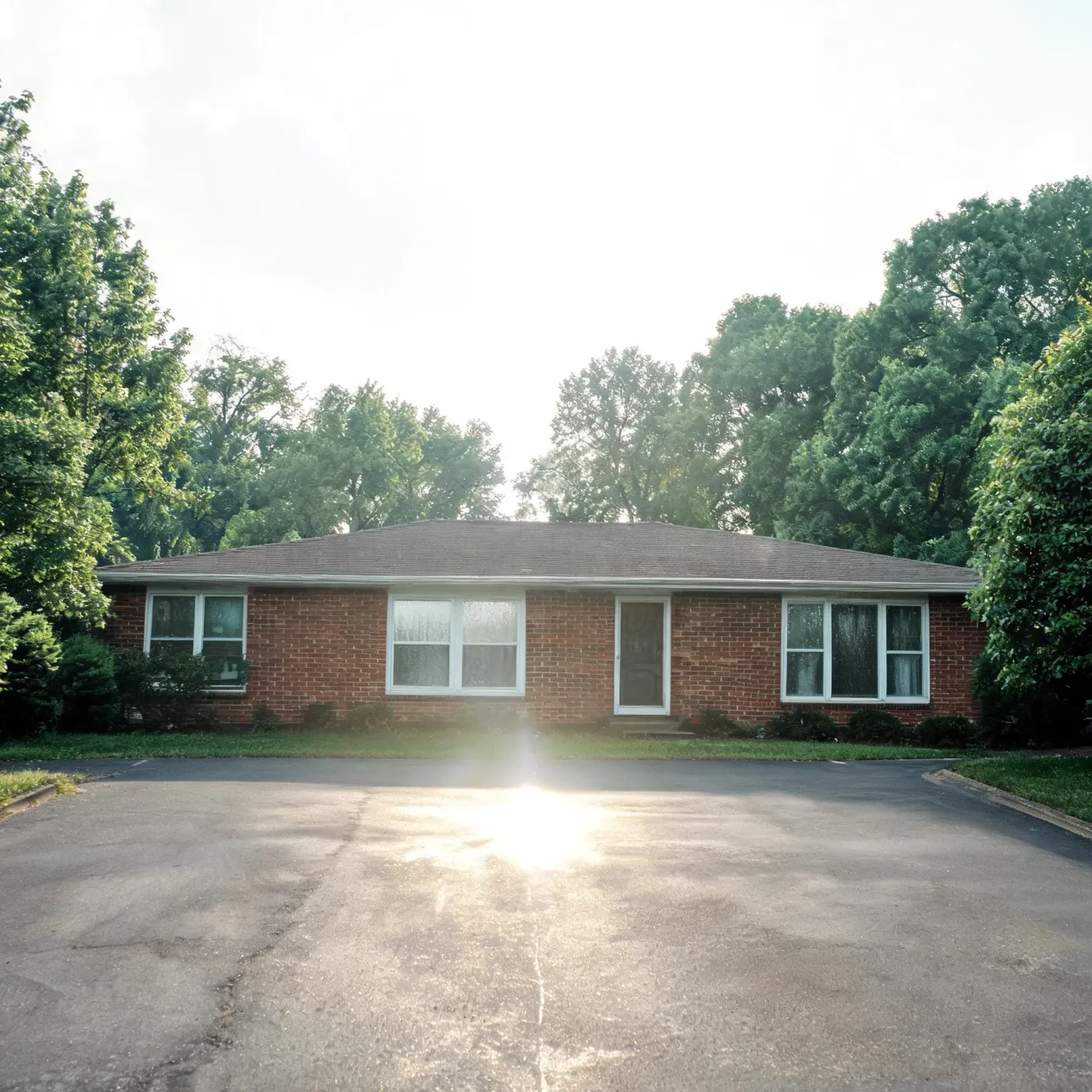
A single-story red brick ranch house with a low shingled roof, white-framed windows and a central door, fronted by a large asphalt parking area with sun glare, surrounded by leafy green trees.

That same heat pump also carries your cooling load all summer, and Arkansas air is heavy work for it. The dew point here averages 68°F across June, July and August, so the unit spends long hours pulling moisture out of the air, not just dropping the temperature. That's wear on the same compressor and coil you're counting on to keep you warm come January. A system that's run hard all summer is more likely to show a weak spot once it has to switch over and heat the house. Keeping it serviced before winter catches problems the summer left behind. (National Centers for Environmental Information)

NASA POWER T2MDEW county cells weighted by homes

Why does the heat feel weak even when it's running

You set the thermostat and the air coming out doesn't feel hot, more like lukewarm. That's normal for a heat pump, but if the house still isn't catching up, or the unit runs long stretches without ever seeming to shut off, something's off. Listen for it kicking into a louder, rougher sound partway through a cycle. That's the backup heat strip stepping in, and it uses a lot more power than the heat pump alone. You might notice that on the electric bill before you notice it by ear. Ice building up on the outdoor unit and staying there, rather than melting off during the defrost cycle, is another sign something needs a look before it means a bigger repair.

A gray-haired, bearded man in a dark coat dusted with snow stands smiling in a dimly lit room with a lamp, mirror, framed art, and a sofa in the background.
An older man with white hair and a beard, wearing a dark snow-dusted coat and scarf, stands in a warmly lit interior hallway with a framed landscape picture, a table lamp and a potted plant behind him, and a snowy view through a window at left.
An older man in a dark snow-flecked overcoat and scarf stands smiling in a warmly lit home entryway, with a glass-paned door showing darkness outside and a lamp-lit room visible through a doorway behind him.
An older man with gray hair and a beard, wearing a dark snow-dusted jacket and scarf, stands smiling in a warmly lit interior hallway with a lit table lamp, a vase of dried branches, and a framed picture in the background.

Get your heat pump to the right pro

Send the form, and lining up the heat pump tune-up stops being yours to chase.

Asking costs nothing, and the choice to hire stays yours.

Setting it and leaving it alone

A heat pump holds a steady temperature better than it recovers from a big swing. Pick a number you can live with, 68°F or whatever suits your house, and leave it there all day. The system runs at a low, steady output to hold that line, which is how it's meant to work. Every time you push the temperature up several degrees, the unit has to work harder to catch up, and on a cold morning that can be enough to bring on the backup heat strip, which costs more to run than the heat pump itself.


Setting it back at night

Turning the temperature down a few degrees overnight and back up in the morning can still make sense in Arkansas, since electric rates here are low enough that the savings from a lower setting overnight add up. The tradeoff is that recovery in the morning asks more of the system than holding steady would. If your thermostat has a smart recovery mode, it can bring the house back up gradually before you're even awake. Without that, a swing of more than a couple degrees can trigger the backup strip on a cold morning.

An outdoor air conditioning or heat pump condenser unit on a concrete pad beside a house with horizontal vinyl siding, a gray electrical disconnect box and conduit on the wall, and a concrete walkway in the foreground.
Before you get your heat pump maintenance
A gray outdoor condenser unit on a concrete pad beside a house with gray lap siding, connected by conduit and refrigerant lines to a wall-mounted disconnect box, with a green shrub and mulch bed at left.
After you get your heat pump maintenance

A heat pump moves heat, it doesn't burn fuel to make it, so the backup strip heat kicks in when the outdoor coil can't pull enough warmth from the air.

That backup heat is electric resistance, the same as a space heater, and it runs every time the thermostat is set higher than the system can reach on its own.

A woman wrapped in a cream textured blanket sits in an armchair beside a lit lamp and a dark window, with an open book in the foreground.
A smiling older woman with gray hair in a cream knit sweater stands in a dimly lit kitchen beside a window showing snow outside, with a round loaf of bread on the counter in the foreground.

The setting itself is simple: pick a steady number, leave the thermostat alone, and let the backup strip heat stay off unless a cold snap truly calls for it. What's harder to see from the thermostat is whether the heat pump is actually running the way it should, pulling the right amount of warmth from the outdoor air without leaning on backup heat to cover for a weak part or a low charge. That's not something you can tell by feel. A maintenance visit checks the coil, the refrigerant charge, and the defrost cycle, the things that decide whether your low, steady setting actually keeps the house warm cheaply or quietly runs up your bill through strip heat you never see. If you want that checked before the next cold stretch, send the form and the search is no longer something you have to manage. A contractor who works on heat pumps in your area will reach out, and from there it's between you and them.

A wooden front door with six small glass panes and a narrow sidelight, set in a shingled house entry with white trim, reached by stone steps flanked by a planted urn with purple flowers and leafy branches in the foreground.
Exterior corner of a house with beige horizontal lap siding and a black-framed window, with white hydrangeas, ornamental grasses and low plantings along a flagstone patio.
Corner of a house with tan lap siding and a window, a brick step edge, flowering white hydrangeas and green shrubs beside a flagstone walkway leading to a white picket fence and a tree in backlit sunlight.
House exterior with cream horizontal lap siding, a dark-framed window, a black wall lantern beside a wood door, potted shrubs on stone steps, and white and pink hydrangeas in the foreground garden.
Corner of a cream lap-sided house with a white-framed window and dark shingled roof, beside a white-flowering hydrangea shrub, a clipped hedge, mulched bed and lawn.

The right pro for this job

Send the form and the heat pump tune-up stops being something to remember.

Match me with a pro

No fee to send it, and nothing to sign.






